Understanding Manipulation Under Anesthesia
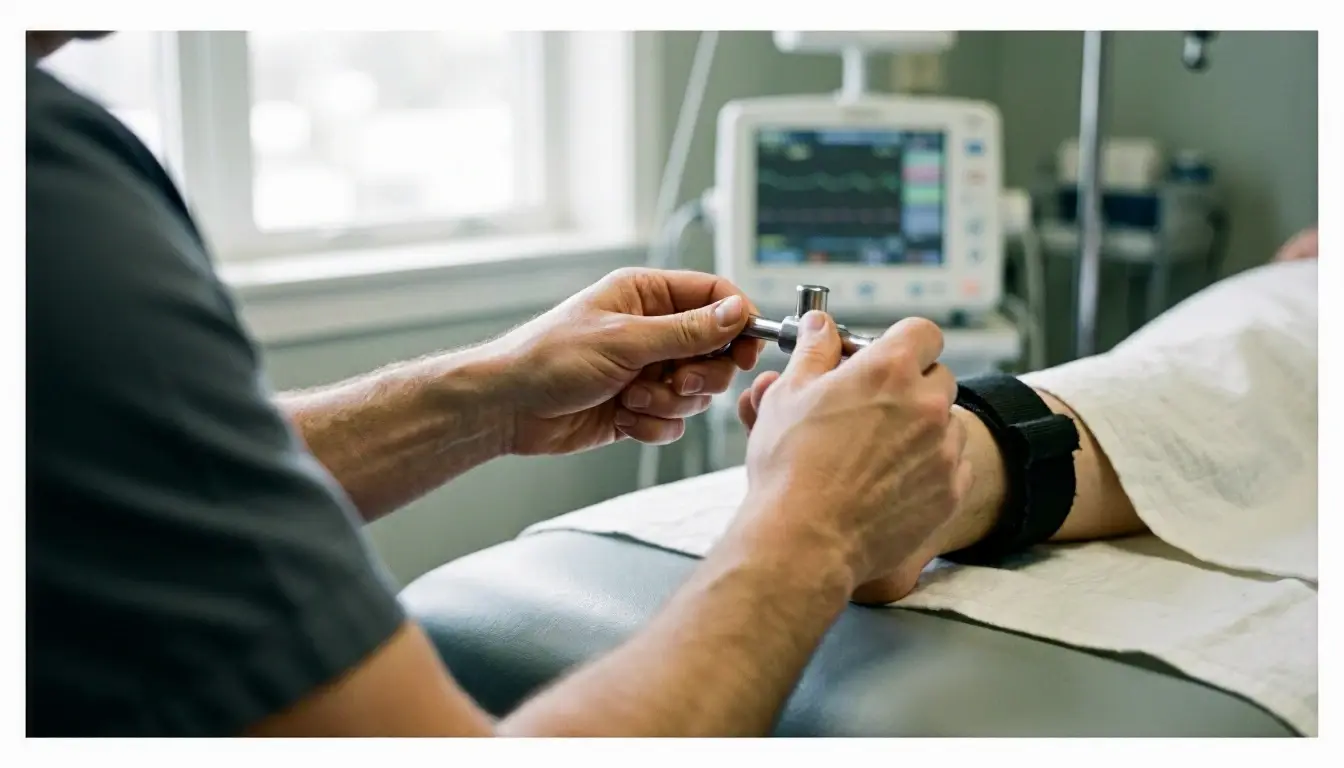
Manipulation Under Anesthesia, often called MUA, is a non-surgical procedure designed to help patients who have not found relief from chronic pain through traditional chiropractic adjustments or physical therapy. During MUA, the patient receives light sedation to relax the muscles and nervous system, allowing the chiropractor or physician to perform deeper and more controlled manipulations of the spine or joints. This process can help break up scar tissue, reduce muscle spasms. And restore range of motion in areas that have become stiff or locked due to injury, surgery. Or long-term pain conditions.
Related glossary terms: Chiropractic Adjustment, Spinal Decompression, Joint Dysfunction.
The procedure is typically performed in a hospital or outpatient surgical center, where medical staff can monitor the patient’s safety and comfort. Unlike surgery, MUA doesn't involve cutting or incisions. Instead, it relies on precise manual techniques to gently stretch and mobilize the affected joints. Because the patient is sedated, they don't feel pain during the procedure, which can make it easier to address areas that are too sensitive or guarded for standard adjustments. MUA is not a first-line treatment but is considered when other conservative therapies have failed to provide lasting relief.
How Manipulation Under Anesthesia Works?
Manipulation Under Anesthesia follows a structured process to ensure safety and effectiveness. Before the procedure, the patient undergoes a thorough evaluation, including medical history, physical examination. And imaging studies like X-rays or MRIs. This helps the provider determine if MUA is appropriate and identify the specific areas that need attention. On the day of the procedure, the patient is given light sedation, usually through an IV, to achieve a relaxed but conscious state. This sedation helps the muscles release tension, making it easier for the provider to perform the manipulations without causing pain or resistance.
During the procedure, the chiropractor or physician uses gentle, controlled forces to stretch and mobilize the spine or joints. These movements are more extensive than those used in a typical chiropractic adjustment because the sedation allows for deeper relaxation. The goal is to break up adhesions (scar tissue) that may have formed in the muscles, ligaments. Or joint capsules, which can restrict movement and cause pain. The procedure usually takes less than an hour. And patients are monitored closely throughout to ensure their safety. Afterward, the patient is taken to a recovery area and observed until the sedation wears off.
Follow-up care is a critical part of the MUA process. Patients are often advised to continue with physical therapy, stretching. And strengthening exercises to maintain the improvements achieved during the procedure. Some patients may need more than one MUA session, depending on the severity of their condition. The combination of sedation, manipulation. And post-procedure care helps address the underlying causes of pain and stiffness, rather than just masking the symptoms.
Why Manipulation Under Anesthesia Matters?
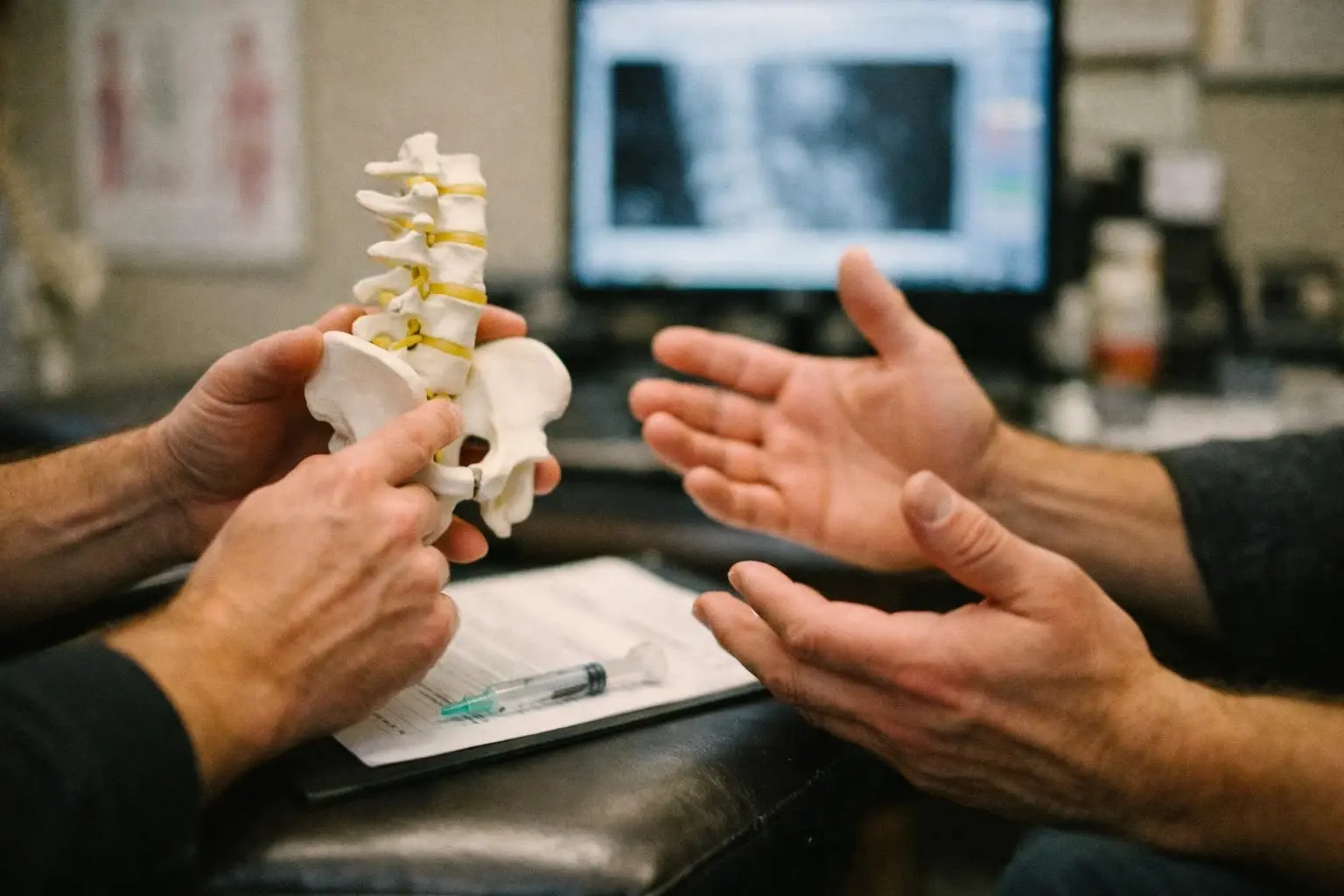
Manipulation Under Anesthesia matters because it offers a non-surgical option for patients suffering from chronic pain and limited mobility that has not improved with standard treatments. Many people with conditions like frozen shoulder, chronic back pain. Or post-surgical stiffness reach a point where traditional chiropractic care or physical therapy no longer provides relief. MUA can help these patients avoid more invasive procedures, such as surgery, by addressing the root cause of their pain in a controlled and safe environment. The procedure can also reduce the need for long-term pain medications, which can have side effects and risks of their own.
Another important aspect of MUA is its ability to restore function and improve quality of life. Chronic pain and stiffness can limit daily activities, making it difficult to work, exercise. Or even perform simple tasks like bending or reaching. By breaking up scar tissue and improving joint mobility, MUA can help patients regain movement and reduce pain, allowing them to return to their normal routines. This can have a significant impact on mental health as well, as chronic pain is often linked to stress, anxiety. And depression. For patients who have struggled with pain for months or years, MUA can be a turning point in their recovery journey.
When Manipulation Under Anesthesia Matters Most?
Manipulation Under Anesthesia is most beneficial for patients who have tried other conservative treatments without success. Common conditions that may respond well to MUA include chronic back or neck pain, frozen shoulder, failed back surgery syndrome. And joint stiffness caused by injury or arthritis. It's also used for patients who have developed scar tissue after surgery, which can limit movement and cause persistent pain. MUA is typically considered when standard chiropractic adjustments, physical therapy. Or medications have not provided lasting relief. And the patient is looking for a non-surgical alternative before considering more invasive options.
Patients who are good candidates for MUA usually have a clear diagnosis, such as joint dysfunction, muscle spasms. Or adhesions, that can be addressed through manipulation. The procedure is not suitable for everyone, however. Patients with certain medical conditions, such as severe osteoporosis, spinal fractures. Or infections, may not be eligible for MUA due to the risks involved. And MUA is not a quick fix. It requires careful evaluation, follow-up care. And often multiple sessions to achieve the best results. For patients in Duluth, GA. And the surrounding areas, MUA can be a valuable option when other treatments have failed, offering a path to relief without the need for surgery.