Understanding Myofascial Release

Myofascial Release is a specialized form of manual therapy designed to address tightness and restrictions in the fascia. Fascia is a continuous web of connective tissue that surrounds every muscle, bone, nerve. And organ in the body. When fascia becomes tight or restricted due to injury, inflammation. Or prolonged poor posture, it can cause pain, stiffness. And limited range of motion. Unlike traditional massage, which focuses primarily on muscles, Myofascial Release targets the fascia itself, using sustained pressure and gentle stretching to release tension and restore normal movement.
Related glossary terms: Chiropractic Care, Trigger Point Therapy, Spinal Decompression.
This therapy is often used to treat conditions such as chronic back pain, neck pain, headaches. And repetitive strain injuries. It's also beneficial for individuals recovering from surgery or trauma, as scar tissue can create fascial restrictions. Myofascial Release is typically performed by trained chiropractors, physical therapists. Or massage therapists who use their hands or specialized tools to apply pressure to the affected areas. The goal is to improve circulation, reduce pain. And boost overall mobility without the need for invasive procedures or medications.
How Myofascial Release Works?
Myofascial Release works by applying gentle, sustained pressure to areas of restricted fascia. The therapist begins by assessing the body for areas of tightness or immobility, often looking for patterns of tension that may be contributing to pain or dysfunction. Once identified, the therapist uses their hands, fingers. Or elbows to apply slow, steady pressure to the restricted area. This pressure is held for several minutes, allowing the fascia to gradually release and elongate. The process may feel like a deep stretch or a mild pulling sensation. But it should not be painful.
The mechanism behind Myofascial Release involves the viscoelastic properties of fascia. Fascia is a pliable tissue that can change shape under sustained pressure, much like stretching a piece of taffy. Over time, this sustained pressure helps break up adhesions or scar tissue within the fascia, allowing it to move more freely. Improved circulation and hydration of the fascial tissue also play a role in reducing stiffness and promoting healing. Unlike quick stretches or forceful manipulations, Myofascial Release relies on patience and precision to achieve lasting results.
In some cases, therapists may use tools such as foam rollers, massage balls. Or specialized instruments to assist with Myofascial Release. These tools can help target specific areas of tension, particularly in hard-to-reach spots like the back or shoulders. But hands-on techniques remain the most common approach, as they allow the therapist to feel subtle changes in the tissue and adjust their pressure accordingly. The therapy is often combined with other treatments, such as chiropractic adjustments or exercise, to boost its effectiveness.
Why Myofascial Release Matters?

Myofascial Release matters because it addresses a often-overlooked source of pain and dysfunction: the fascia. Many people experience chronic pain or stiffness that doesn't improve with traditional treatments like medication or generic stretching. This is because the root cause may lie in fascial restrictions rather than muscle or joint issues alone. By targeting the fascia, Myofascial Release can provide relief for conditions that have not responded to other therapies, making it a valuable tool for improving quality of life.
For local customers, Another reason Myofascial Release is important is its ability to complement other forms of care. For example, chiropractic adjustments focus on aligning the spine and joints. But fascial tightness can limit the effectiveness of these adjustments. By releasing fascial restrictions first, Myofascial Release can help patients achieve longer-lasting results from their chiropractic care. Similarly, athletes or individuals recovering from injuries can benefit from Myofascial Release as part of a broader rehabilitation program, as it helps restore flexibility and reduce the risk of reinjury.
When Myofascial Release Matters Most?
Myofascial Release is particularly important in situations where pain or limited mobility is not improving with rest, medication. Or basic stretching. For example, individuals with chronic back pain, neck stiffness. Or headaches that persist despite other treatments may find relief through Myofascial Release. It is also useful for people recovering from injuries, surgeries. Or conditions that involve scar tissue formation, such as car accidents, sports injuries. Or repetitive strain injuries like carpal tunnel syndrome.
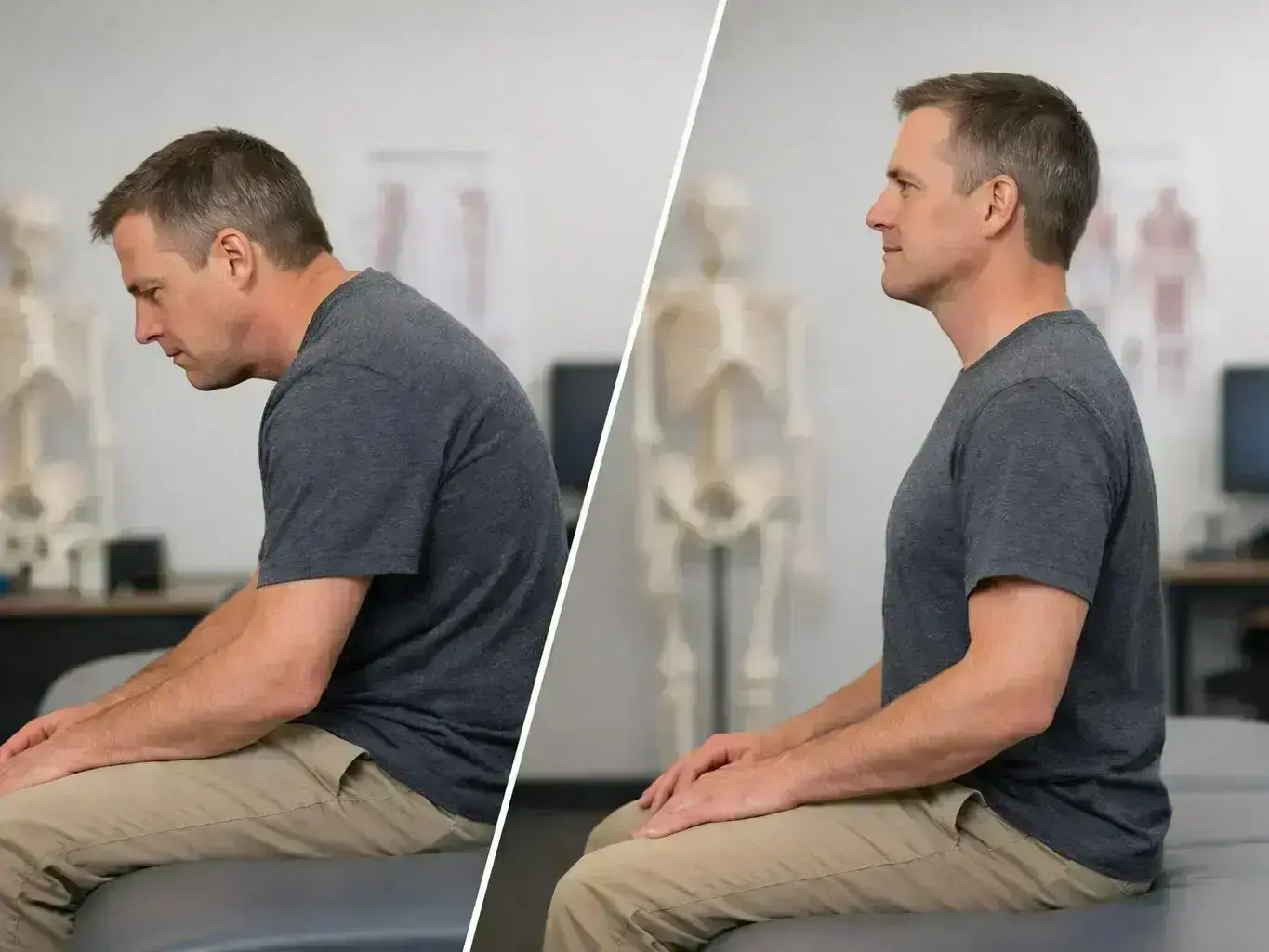
Another key scenario where Myofascial Release matters is for individuals with poor posture or sedentary lifestyles. Prolonged sitting, slouching. Or repetitive movements can cause the fascia to become tight and restricted, leading to discomfort and reduced mobility. Myofascial Release can help counteract these effects by restoring flexibility and reducing tension in the fascia. And athletes or active individuals may use Myofascial Release as part of their warm-up or recovery routine to prevent injuries and improve performance. By addressing fascial restrictions early, they can maintain better movement patterns and reduce the risk of strains or overuse injuries.
In a clinical setting, Myofascial Release is often recommended when other therapies have failed to provide relief. For example, patients with conditions like fibromyalgia, sciatica. Or temporomandibular joint (TMJ) dysfunction may benefit from this technique as part of a full treatment plan. It is also commonly used in conjunction with chiropractic care, physical therapy. Or massage therapy to boost overall results. Because fascia connects every part of the body, addressing fascial restrictions can have a ripple effect, improving mobility and reducing pain in areas that may seem unrelated.