Understanding Joint Dysfunction
Joint Dysfunction happens when a joint doesn't move right. Joints connect bones. They help your body bend and twist.
When a joint doesn't move well, it can hurt. It may swell. Daily tasks can get hard. This can happen in any joint.
It's common in the spine, shoulders, hips. And knees.
Joint Dysfunction isn't the same as an injury. But injuries can cause it. Other things can too.
Poor posture or doing the same move over and over can help cause it. So can arthritis (a joint disease).
Sitting at a desk too long may hurt your neck or back.
If you don't treat it, joint dysfunction can get worse. It may cause more pain. It can hurt other body parts.
How Joint Dysfunction Is Identified and Treated?
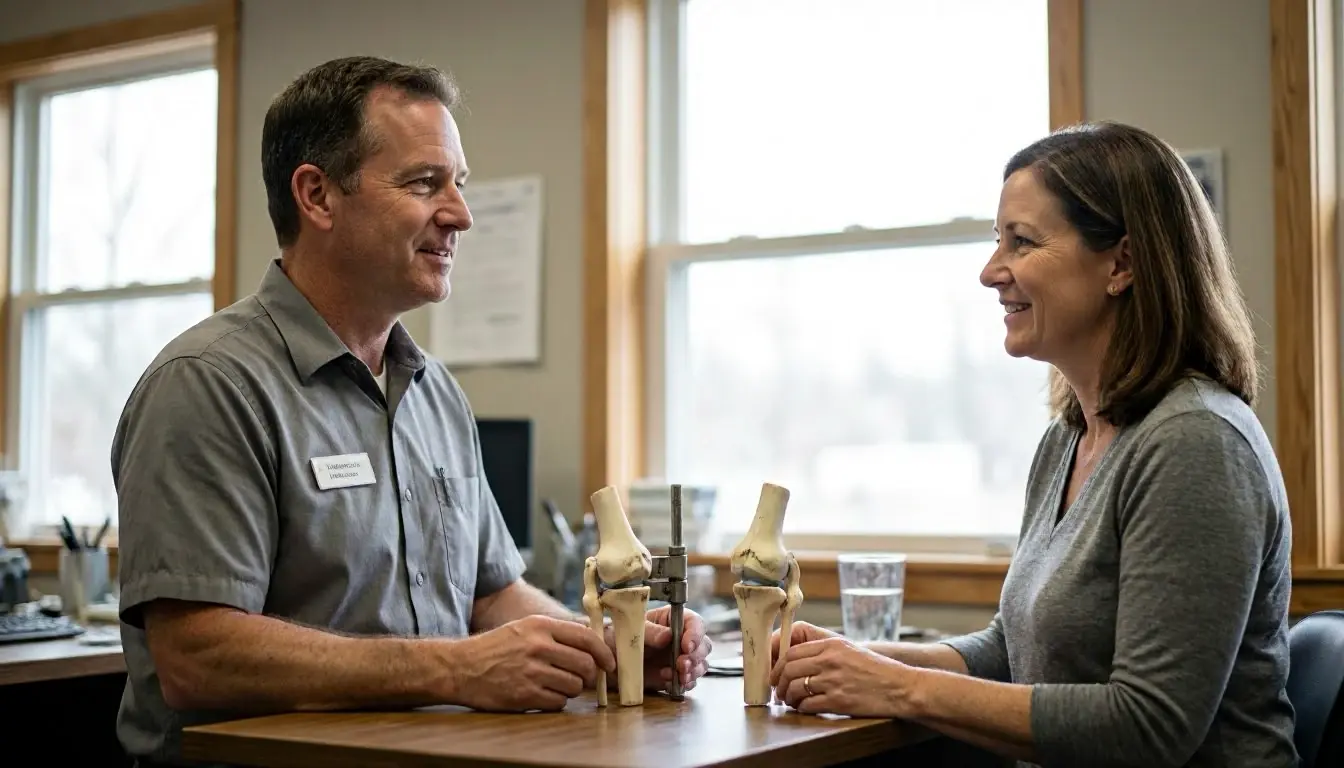
Doctors and chiropractors (joint experts) check for joint dysfunction. They ask about your health. They do a physical exam.
They look for signs. These include less movement, pain. Or swelling. They check the joint.
Sometimes they use X-rays or MRIs (pictures inside your body). These help rule out other problems. Other problems may be breaks or arthritis.
Treatment for joint dysfunction helps joints move right. Chiropractors often start with adjustments. They use gentle force to help joints.
Other treatments may help too. These include stretching, massage. Or physical therapy. Therapy helps you move and feel better.
Changing habits can help. Better posture can stop future problems. Avoid doing the same move too much.
Why Joint Dysfunction Matters?

Joint Dysfunction matters because it can hurt daily life. Simple tasks can become hard. These include bending, lifting. Or walking.
If not treated, it can get worse. Muscles may get weak. Pain may last a long time. It can hurt nearby body parts.
Early treatment can stop these problems. It can help you move better. You'll feel more comfortable.
Joint Dysfunction can hurt more than just the joint. A stiff spine may cause headaches. It may irritate nerves.
A bad hip or knee can hurt your balance. Standing may get hard. Fixing joint problems early helps long-term health.
It can stop bigger problems later.
When Joint Dysfunction Matters Most?
Joint Dysfunction matters most when it causes pain. It matters when it stops daily tasks. Bending to pick up a child may hurt.
Reaching for items may hurt too. If this happens, you may have joint dysfunction. Some people are at higher risk.
Athletes, office workers. And laborers are at risk. Doing the same move over and over can cause it. Bad posture can too.
Joint Dysfunction can happen after an injury. A car crash or fall can cause it. Even small injuries can lead to long-term pain.
Regular check-ups with a chiropractor can help. They can find and treat joint problems. This is key for active people.
It's also key for people who do the same moves at work. Treatment can stop problems before they get worse.