Understanding Spinal Decompression
Spinal Decompression is a therapeutic technique used to treat conditions related to the spine, particularly those involving disc problems or nerve compression. Unlike surgical decompression, which involves removing parts of the spine to relieve pressure, spinal decompression therapy is non-invasive and uses controlled mechanical traction to stretch the spine. This stretching creates a negative pressure within the spinal discs, which may help herniated or bulging discs retract and reduce pressure on nerves. The goal is to promote healing by improving the flow of oxygen, water. And nutrients into the discs, which can become compromised due to injury, aging. Or repetitive stress.
Related glossary terms: Disc Herniation, Chiropractic Adjustment, Spinal Stenosis.
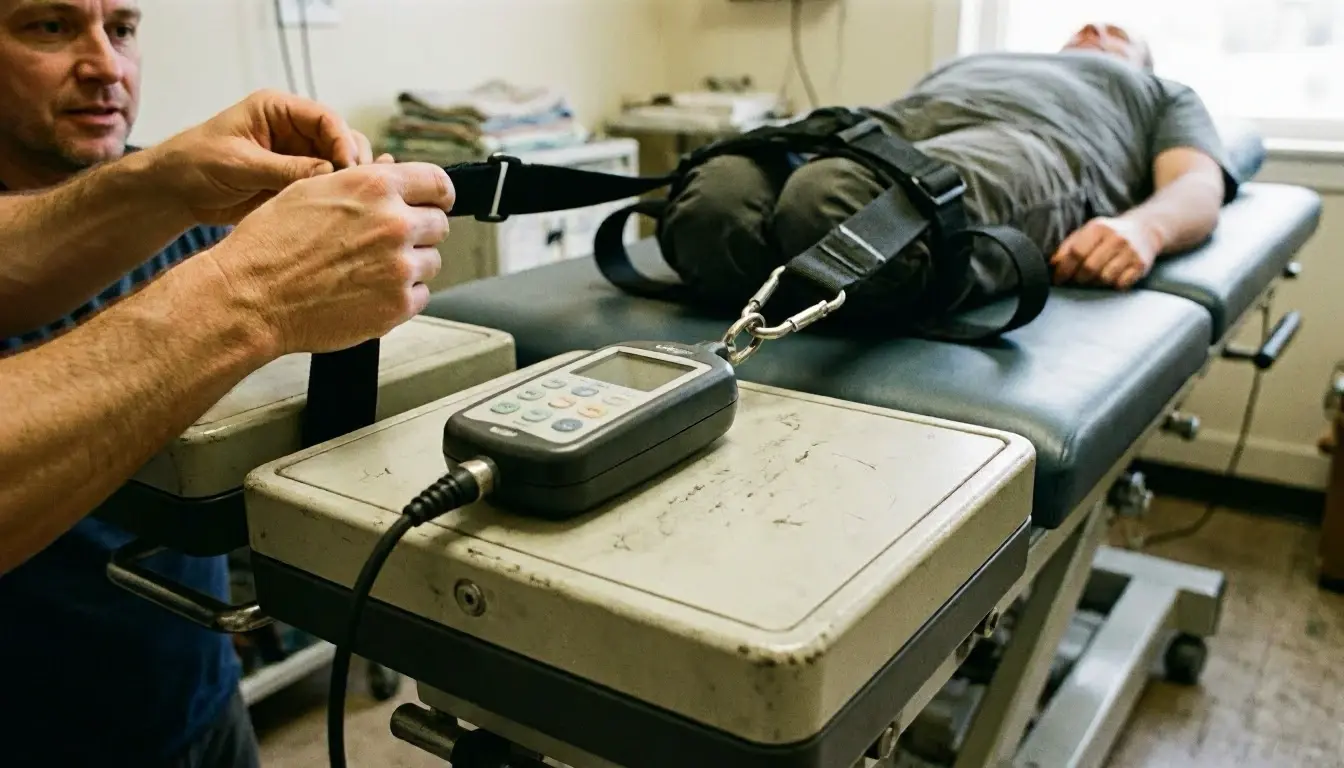
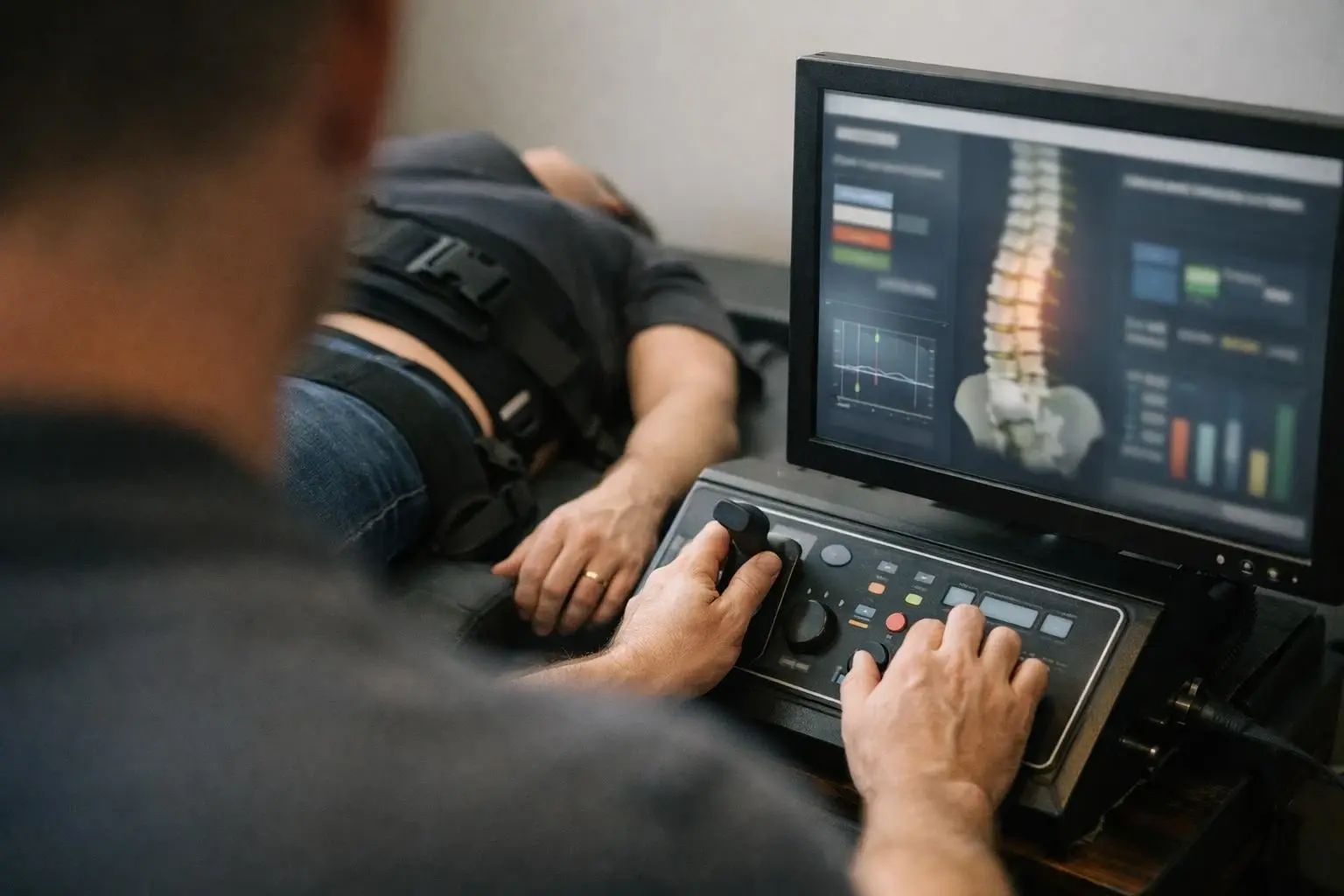
The treatment is typically performed on a specialized table controlled by a computer. The patient lies on the table. And a harness is secured around the hips and lower back. The table then applies a gentle, controlled stretch to the spine, which is carefully calibrated to avoid causing discomfort or injury. Sessions usually last between 20 to 45 minutes. And a course of treatment may involve multiple sessions over several weeks. Spinal decompression is often combined with other therapies, such as chiropractic adjustments, physical therapy. Or electrical muscle stimulation, to boost results.
How Spinal Decompression Works?
The mechanism behind spinal decompression involves the principles of spinal traction and disc physiology. When the spine is stretched, the space between the vertebrae increases, which reduces pressure on the spinal discs and nerves. This negative pressure can help herniated or bulging discs retract, relieving pressure on nearby nerves that may be causing pain, numbness. Or weakness. And the stretching motion encourages the movement of oxygen, water. And nutrients into the discs, which are typically avascular (lacking direct blood supply) and rely on diffusion for nourishment. Improved nutrient flow can support the healing process and reduce inflammation in the affected area.
The treatment is carefully controlled to ensure safety and effectiveness. The amount of stretch applied is custom to the patient’s condition, body weight. And tolerance. For example, patients with severe disc herniation may require a gentler stretch initially. While those with milder conditions may tolerate a more pronounced stretch. The computer-controlled table allows for precise adjustments, ensuring the treatment remains within safe limits. During the session, patients may feel a gentle pulling or stretching sensation. But the treatment should not cause pain. If discomfort occurs, the settings can be adjusted or the session paused.
- Traction: The spine is stretched to create space between vertebrae.
- Negative Pressure: Reduces pressure within spinal discs, allowing herniated material to retract.
- Nutrient Flow: Encourages oxygen, water, and nutrients to enter the discs, aiding healing.
Why Spinal Decompression Matters?
Spinal decompression matters because it offers a non-surgical option for individuals suffering from chronic back pain, sciatica. Or disc-related conditions. Many people with these issues experience significant discomfort and limited mobility, which can impact their daily activities, work. And quality of life. Surgery. While effective for some, carries risks such as infection, nerve damage. Or prolonged recovery time. Spinal decompression provides an alternative for those who want to avoid surgery or are not candidates for surgical intervention. By reducing pressure on the spine and promoting healing, it can help alleviate pain, improve function. And allow patients to return to their normal activities.
Many projects start with Another key benefit of spinal decompression is its potential to address the root cause of pain rather than just masking symptoms. Conditions like disc herniation or spinal stenosis often result from underlying structural issues that can worsen over time if left untreated. Spinal decompression targets these structural problems by creating an environment that supports healing and reduces inflammation. When combined with other therapies, such as chiropractic care or physical therapy, it can provide a full approach to managing spinal conditions and preventing future flare-ups.
When Spinal Decompression Matters Most?
Spinal decompression is most beneficial for individuals experiencing specific types of back or neck pain that are related to disc problems or nerve compression. Common conditions that may respond well to this treatment include herniated discs, bulging discs, degenerative disc disease, sciatica. And spinal stenosis. Patients who have not found relief from conservative treatments like rest, medication. Or physical therapy may also consider spinal decompression as a next step. It's particularly useful for those who want to avoid surgery or are not candidates for surgical intervention due to medical reasons.
But spinal decompression is not suitable for everyone. It is generally not recommended for patients with severe osteoporosis, spinal fractures, tumors. Or infections, as these conditions may be worsened by the stretching motion. Pregnant women and individuals with certain types of metal implants in the spine may also need to avoid this treatment. Before starting spinal decompression, a thorough evaluation by a healthcare provider is essential to determine if the treatment is appropriate for the patient’s specific condition. The provider will review the patient’s medical history, perform a physical examination. And may order imaging tests like X-rays or MRI scans to assess the spine’s condition.
- Patients with herniated or bulging discs experiencing nerve-related pain.
- Individuals with chronic back pain unresponsive to other treatments.
- Those seeking non-surgical alternatives to relieve spinal pressure.
- Patients with sciatica or spinal stenosis causing discomfort.