Understanding Spinal Stenosis
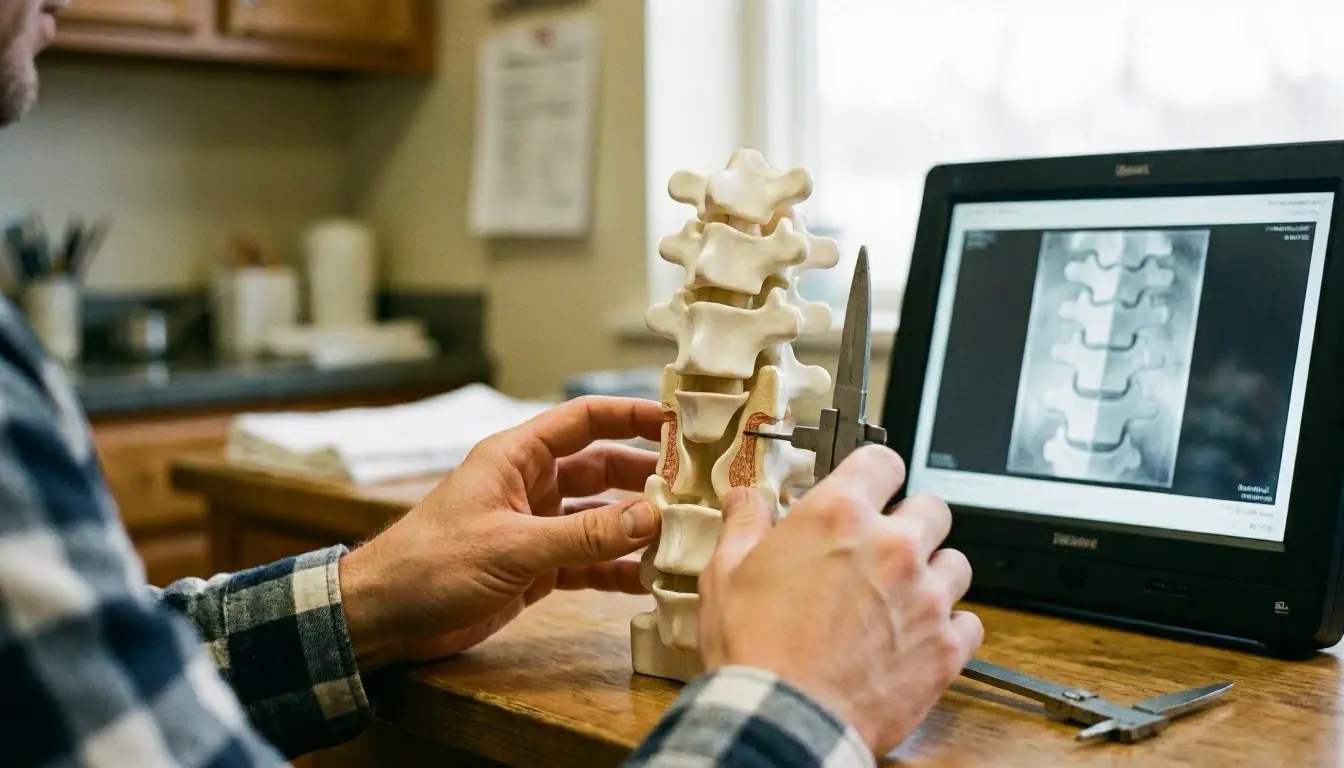
Spinal Stenosis is a problem. The spaces in the spine get smaller. This can squeeze the spinal cord and nerves.
Related glossary terms: Back Pain, Disc Herniation, Cervical Spine.
The spine has bones called vertebrae. They protect the spinal cord and nerves. Over time, these spaces can shrink.
Wear and tear, arthritis. Or injuries cause this. The shrinking puts pressure on the nerves. It can happen anywhere in the spine.
It's most common in the lower back. That's called the lumbar spine. It also happens in the neck, called the cervical spine.
People over 50 often get this. But younger people can get it too. They might have spine injuries or spine problems from birth.
Symptoms change based on where it happens. Lumbar Spinal Stenosis can cause leg pain. The pain comes when standing or walking.
Cervical Spinal Stenosis can make arms or hands numb. It can also make them weak. In bad cases, it affects bladder or bowel control.
If that happens, see a doctor right away.
How Spinal Stenosis Is Diagnosed and Measured?
Doctors check for Spinal Stenosis in a few ways. They ask about your health. They also do a physical exam.
A doctor looks for nerve problems. They check for weakness or numbness. They also test your reflexes.
They use tests like X-rays, MRI scans. Or CT scans. These show pictures of the spine. They help find where the spine is narrow.
An MRI shows soft parts like discs and nerves. A CT scan shows bones better. Both help confirm the problem.
Doctors sort Spinal Stenosis by how bad it is. It can be mild, moderate. Or severe. This depends on how narrow the spine is.
Mild cases may not need treatment. Lifestyle changes can help. Severe cases may need medicine or surgery.
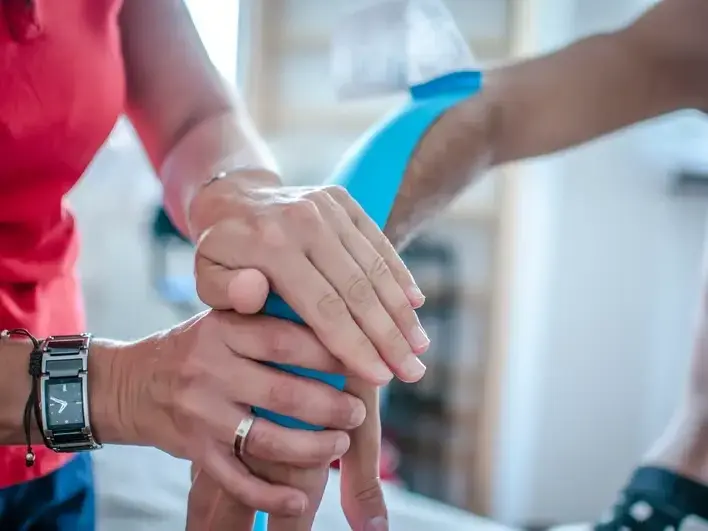
Chiropractors and therapists check how it affects you. They test your movement and pain. They also see how it changes your daily life.
These tests help plan the best treatment.
Why Spinal Stenosis Matters?
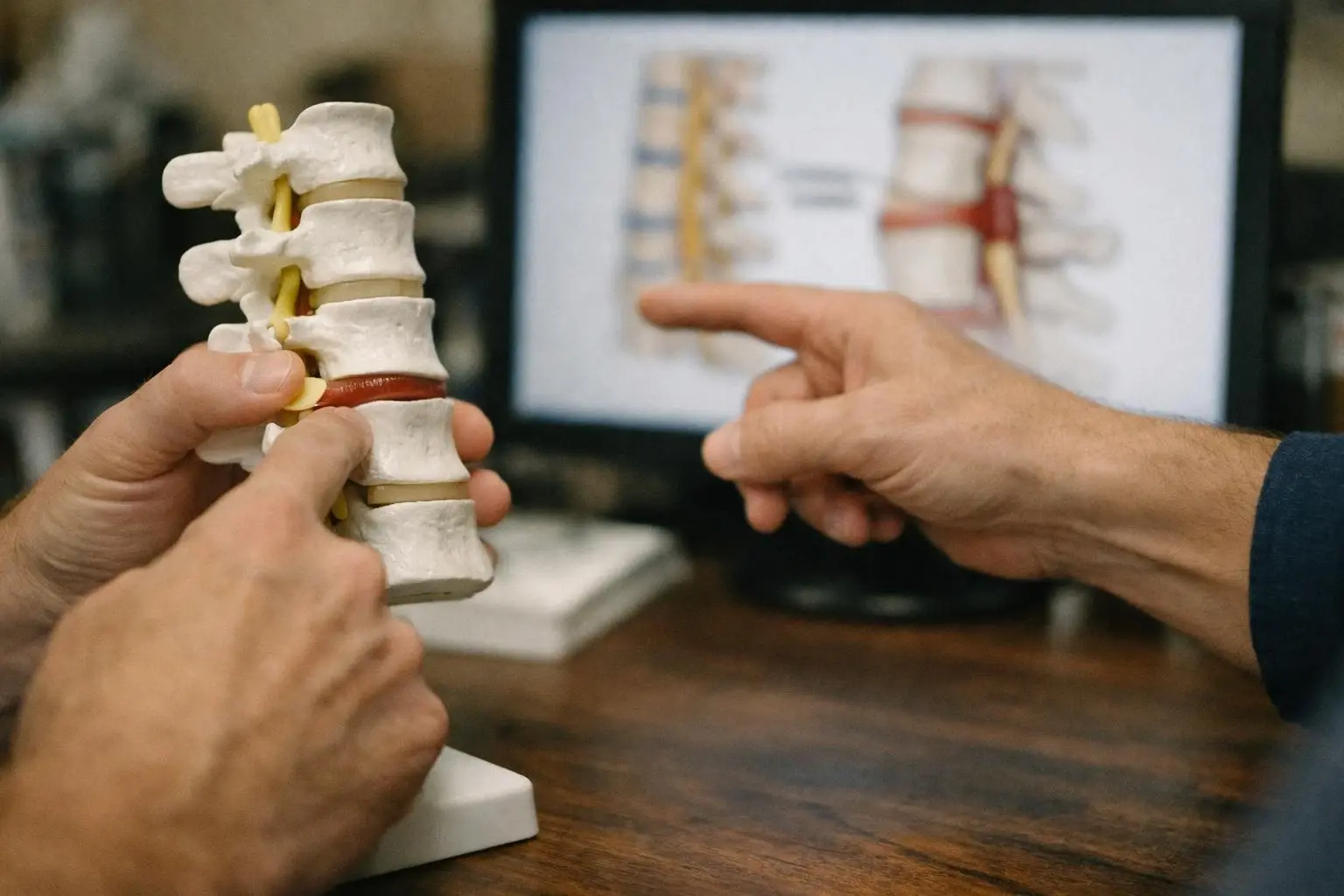
Spinal Stenosis matters a lot. It can hurt your daily life. The nerve pressure causes pain and limits movement.
Simple tasks get hard. Walking or lifting can be tough. Without help, symptoms can get worse.
Nerves can get damaged for good. Early treatment stops this. It helps you stay active.
Most people mix pain relief and therapy. Exercises help too. They make spine muscles stronger.
It also raises the chance of falls. This is true for older adults. Numb or weak legs make balance hard.
Falls can cause injuries. To lower risks, use canes or walkers. Change how you do things too.
Surgery is an option for bad cases. It eases nerve pressure. But doctors try other treatments first.
Surgery has risks. So they avoid it if they can.
When Spinal Stenosis Matters Most?
Spinal Stenosis matters most when it hurts daily life. Pain or numbness can make walking hard. Standing or sleeping can also be tough.
If this happens, get help. People with active jobs feel it more. Lifting or standing long makes symptoms worse.
Athletes may notice less strength. Early help can stop it from getting worse.
Treatment depends on how bad it is. Mild cases may need simple fixes. Chiropractic care or therapy can help.
Medicine can lower swelling. Severe cases may need shots or surgery. This eases nerve pressure.
Choices depend on your health and goals. Someone with mild pain may do exercises. They help strength and flexibility.
Someone with bad pain may think about surgery. Regular doctor visits help. They track the problem and change treatment.