Glossary

What is Cervical Spine?

Cervical Spine is the uppermost section of the human spine, consisting of seven vertebrae labeled C1 through C7. It supports the skull, enables head movement. And protects the spinal cord and nerves that connect the brain to the rest of the body.

Reviewed by ChiropractorDuluth.linkSources reviewed: American Chiropractic Association, National Institute of Arthritis and Musculoskeletal and Skin Diseases

Quick Facts About Cervical Spine

Category

Anatomical structure

Used for

Head support, nerve protection, motion

Common confusion

Often mixed up with the lumbar spine

Also called

Neck spine, Cervical vertebrae

Often discussed with

Car Accident Injury Rehabilitation, Neck Injury Treatment

Key Takeaways About Cervical Spine

Understanding Cervical Spine
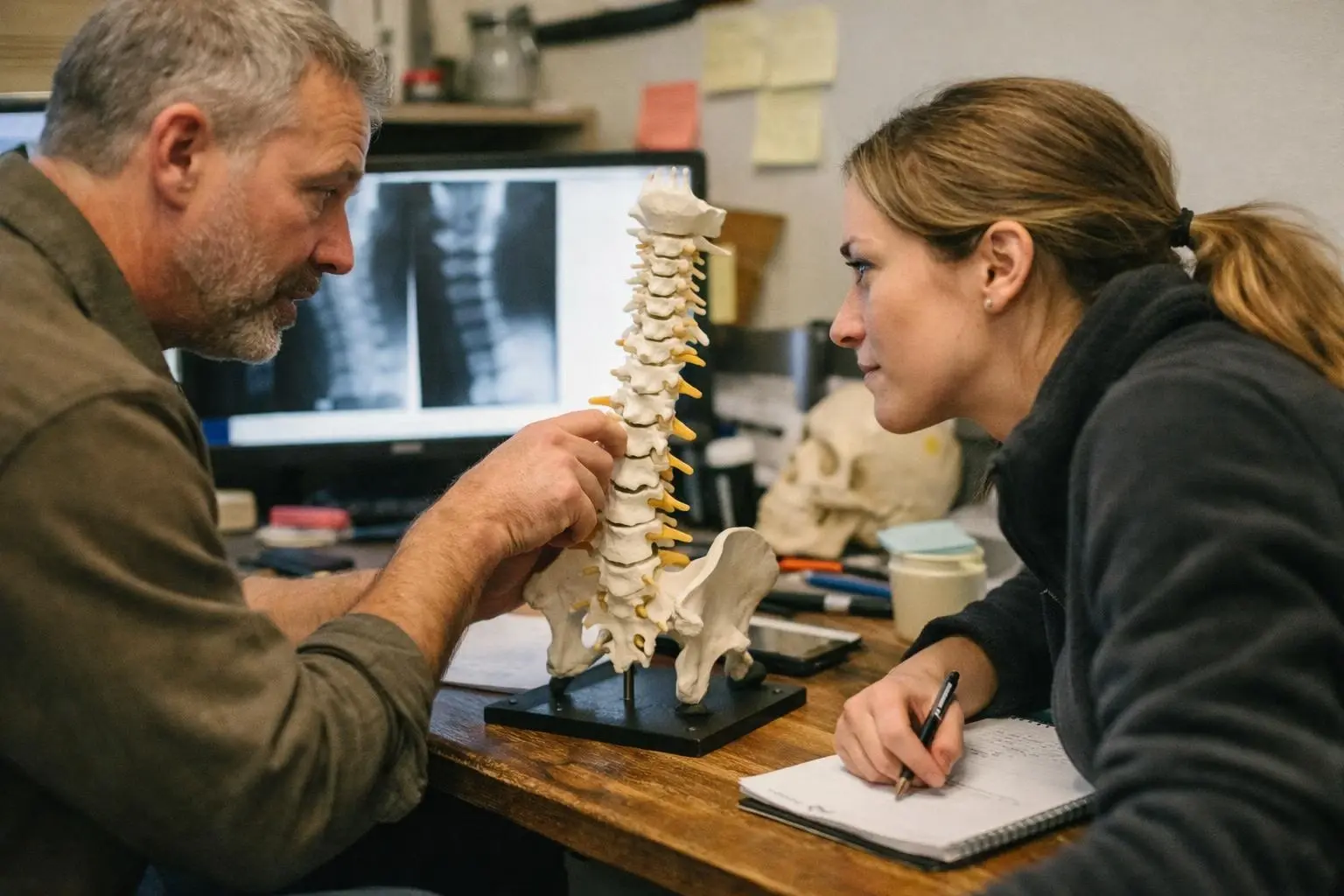
Cervical Spine in Chiropractor: Cervical Spine is the uppermost section of the human spine, consisting of—visual guide

Your neck has seven bones. These bones are called vertebrae. They stack to make the cervical spine.

Related glossary terms: Chiropractic Care, Adjustment, Disc Herniation.

This spine starts just below your skull. It ends at the top of your upper back. Each bone has a different shape and job.

C1 and C2 are special bones. C1 is called the atlas. C2 is called the axis. They help your head turn and nod.

The other bones, C3 to C7, give support. They also let your neck bend and move.

Between each bone is a cushion. These cushions are called discs. They stop bones from rubbing together.

The cervical spine holds your spinal cord. Nerves branch out from it. They go to your shoulders, arms. And hands.

This part of your spine moves a lot. It can get hurt from sudden moves. Bad posture or age can also cause problems.

How Cervical Spine Works?

Your neck holds up your head. A head weighs about 10 to 12 pounds. The neck's curve helps spread this weight.

It also takes shocks from walking or running. When you move, bones slide on the discs. Muscles and ligaments keep everything in place.

Nerves from the neck send signals. These signals control arms and upper body. They help you feel and move.

Chiropractors check your neck. They look at how it lines up. They see how far it moves and how nerves work.

They may use X-rays. They look for misalignments. These are called subluxations (out-of-place bones).

These can pinch nerves or strain muscles. Gentle fixes help necks move right. They also cut pain and stiffness.

Moving often keeps your neck healthy. Good posture stops long-term problems.

Why Cervical Spine Matters?
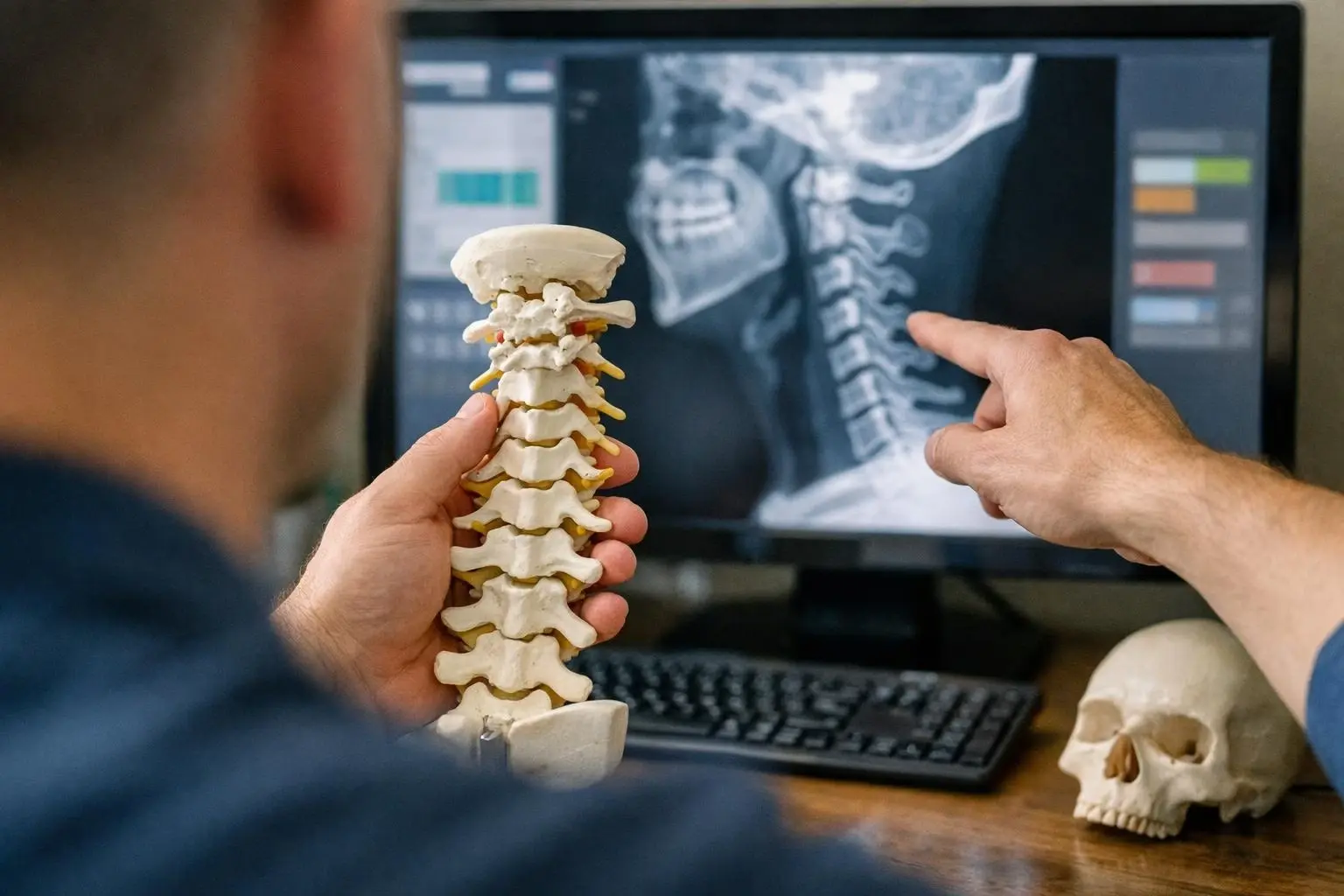
How Cervical Spine applies to Chiropractor services in Duluth, United States—practical illustration

A healthy neck helps with daily tasks. It lets you drive or use a computer. It helps you look at your phone.

When bones move out of place, nerves get hurt. This causes pain or tingling. It can make arms feel weak.

Long-term neck pain brings headaches. It causes tiredness. It makes it hard to focus.

Fix neck problems early. This stops worse issues later. It can stop lasting nerve damage.

Injuries like whiplash hurt the neck. So do herniated discs (bulging cushions). Arthritis (joint wear) also causes pain.

These problems limit movement. They lower quality of life. Chiropractic care helps without surgery or drugs.

Better alignment means less pain. It helps you feel healthier overall.

When Cervical Spine Matters Most?

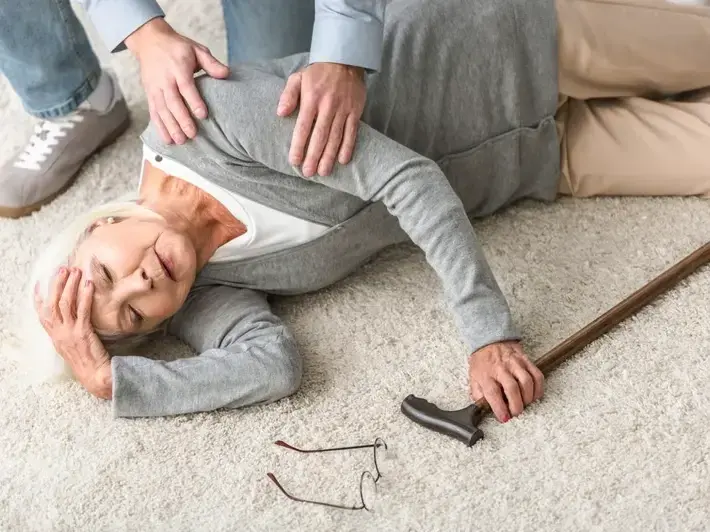
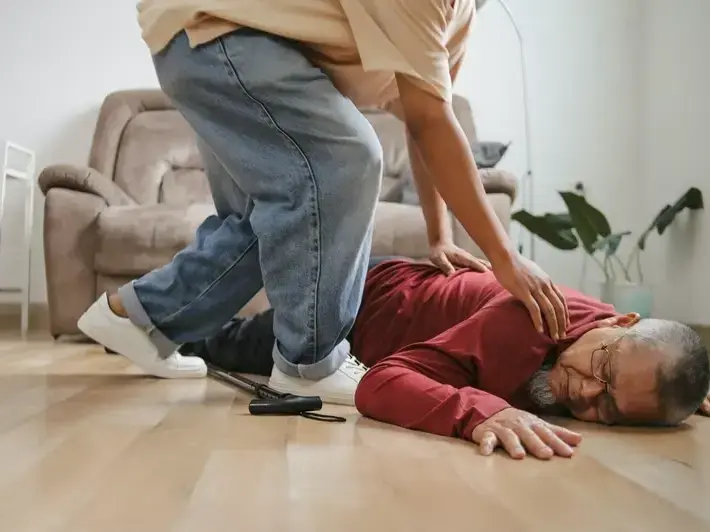
Neck injuries matter a lot. Car crashes or falls can cause whiplash. They can also break bones.

Even small accidents hurt the neck. They cause misalignments. These bring long-term pain.

People who sit a lot get neck problems. Office workers and drivers face this. Bad posture or stress causes it.

Athletes also get neck injuries. Contact sports raise the risk.

If your neck hurts a lot, see a chiropractor. Headaches or arm numbness mean go now. Early help stops big problems.

Regular checks keep spines healthy. This is key for hard jobs or active lives. In Duluth, GA, chiropractors treat neck issues.

They help after car accidents or sports injuries. They fix problems from work setups.
How to Evaluate Cervical Spine?

Related Concepts Compared

Cervical Spine vs. Lumbar Spine

The lumbar spine is the lower back section, consisting of five larger vertebrae that support the weight of the upper body and allow bending and twisting.

Cervical Spine vs. Thoracic Spine

The thoracic spine is the middle section of the spine, attached to the rib cage. And has less mobility than the cervical spine.

Expert Note

Even minor misalignments in the cervical spine can create tension that radiates into the shoulders and upper back. Gentle adjustments often provide immediate relief. But consistent posture habits are key to long-term stability.

Common Mistakes or Myths About Cervical Spine

  • Ignoring minor neck pain until it becomes chronic.
  • Assuming all neck pain comes from muscle strain, missing possible nerve issues.
  • Using only pain medication without addressing the underlying spinal misalignment.
  • Believing cervical spine issues only affect older adults, when young people can also develop problems.

Cervical Spine in Practice: A Real-World Example

After a rear-end car accident, a patient in Duluth, GA, experienced neck stiffness and headaches. A chiropractor examined her cervical spine and found misalignments in C2 and C5. Through a series of adjustments, her range of motion improved. And her headaches subsided within weeks.

Related Services

Related Terms

Chiropractic Care

Chiropractic Care is a healthcare profession focused on diagnosing and treating musculoskeletal disorders, primarily those related to the spine. Chiropractic Care uses hands-on spinal manipulation and other alternative treatments to align the body’s musculoskeletal structure, particularly the spine, enabling the body to heal itself without surgery or medication. Treatment often addresses back pain, neck pain, joint issues. And headaches.

Adjustment

Adjustment is a precise manual procedure performed by a chiropractor to restore proper movement and alignment to a joint, most commonly in the spine. Adjustments use controlled force to improve mobility, reduce pain. And support nervous system function without surgery or medication.

Disc Herniation

Disc herniation is a spinal condition where the soft inner gel of a spinal disc leaks through a tear in the disc’s tough outer layer. This leakage can press on nearby nerves, causing pain, numbness. Or weakness in the back, neck, arms. Or legs. Disc herniation often occurs in the lower back or neck due to injury, aging.

Back Pain

Back Pain is discomfort, ache. Or sharp sensations felt anywhere along the spine, from the neck to the lower back. Back Pain can be temporary or long-lasting, mild or severe. And may stem from muscle strain, injury, poor posture. Or underlying medical conditions like disc herniation or arthritis. It often limits movement and daily activities, making it a leading reason people seek medical or chiropractic care.

ChiropractorDuluth.link

Have Questions About Cervical Spine?

Contact ChiropractorDuluth.link for practical guidance on Cervical Spine and related chiropractor work in Duluth.

+1 770-525-1431