Understanding Lumbar Spine
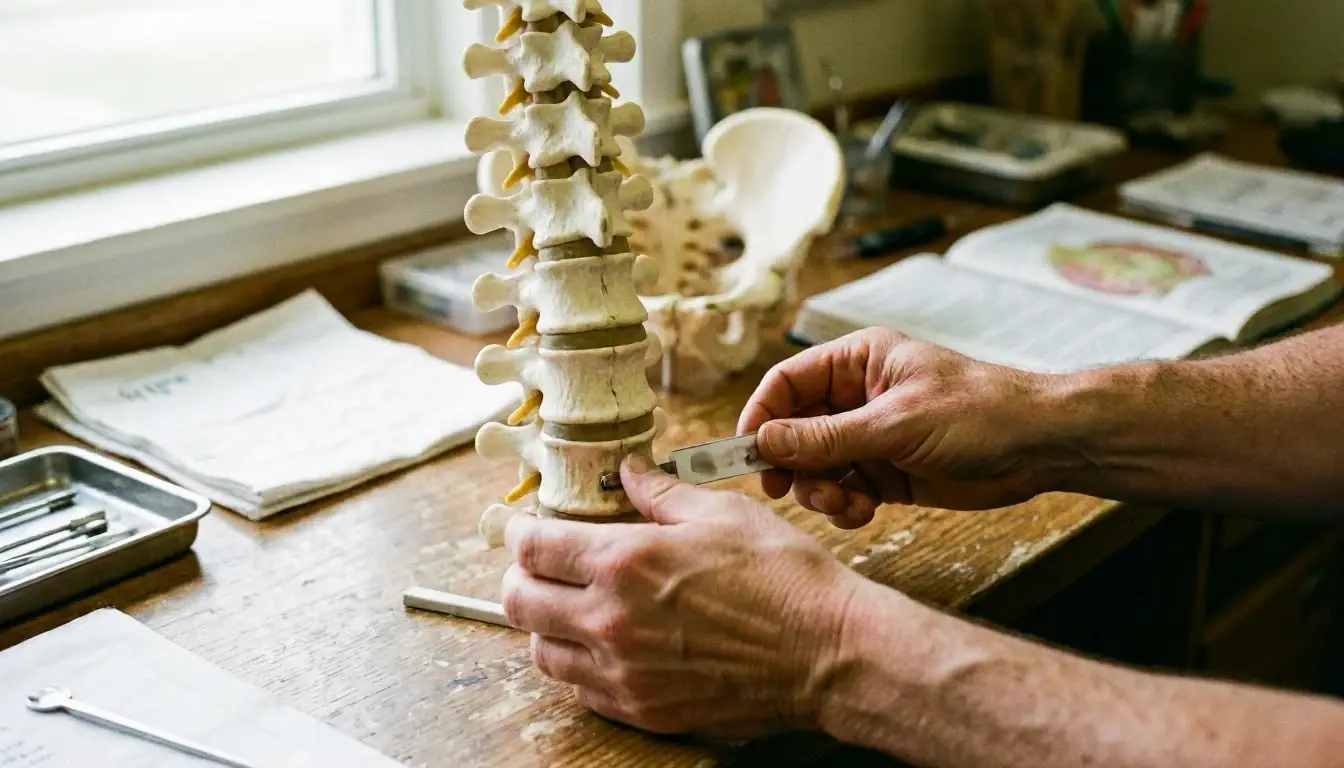
The lumbar spine is in your lower back. It sits between the mid-back and pelvis.
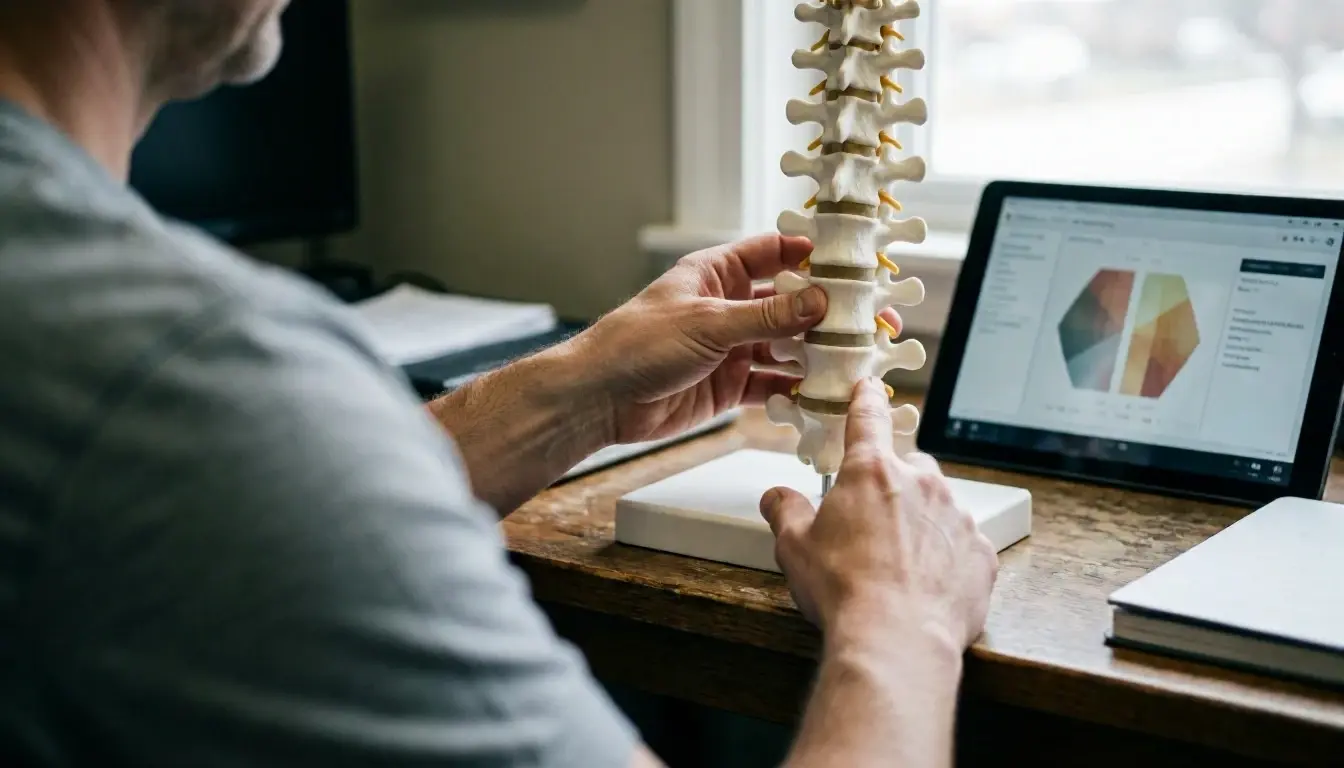
It has five bones called vertebrae. They are labeled L1 to L5. These are the biggest and strongest bones in your spine.
They hold up your upper body. They also take stress from walking, lifting. And twisting.
The lumbar spine holds the end of your spinal cord. It has nerves that control your legs and lower body.
This part of your spine takes a lot of stress. That's why injuries and pain often happen here.
Problems like herniated discs (bulging cushions) can start here. So can spinal stenosis (narrowing of the spine).
Muscle strains happen here too. The lumbar spine has a natural curve called lordosis.
This curve helps spread weight and keep balance. Bad posture or strain can hurt this curve.
That can cause pain or problems.
How the Lumbar Spine Works?
The lumbar spine holds you up. It also lets nerves send signals.
Each bone has a disc between it. These discs act like cushions.
They stop bones from rubbing together. They also let your spine bend and twist.
Ligaments and muscles keep the spine stable. Nerves go through holes in the bones.
These nerves connect to your legs, feet. And organs.
A healthy lumbar spine lets you move without pain. But injuries or bad posture can hurt it.
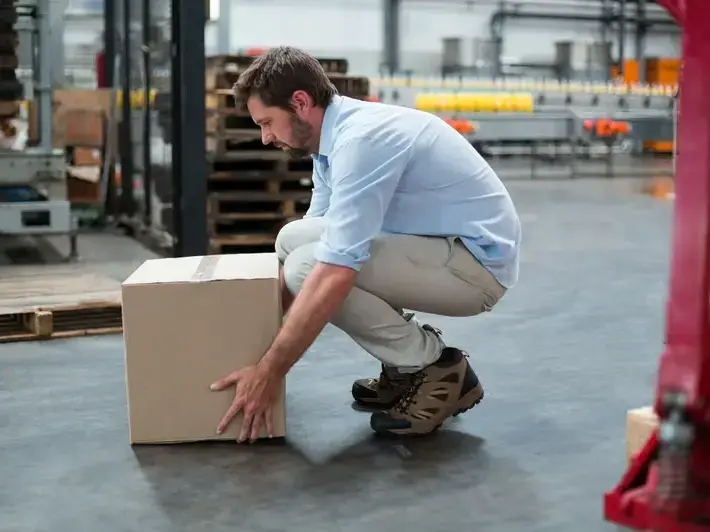
Heavy lifting can strain muscles. It can also push a disc out of place.
That can cause pain down your legs. This is called sciatica.
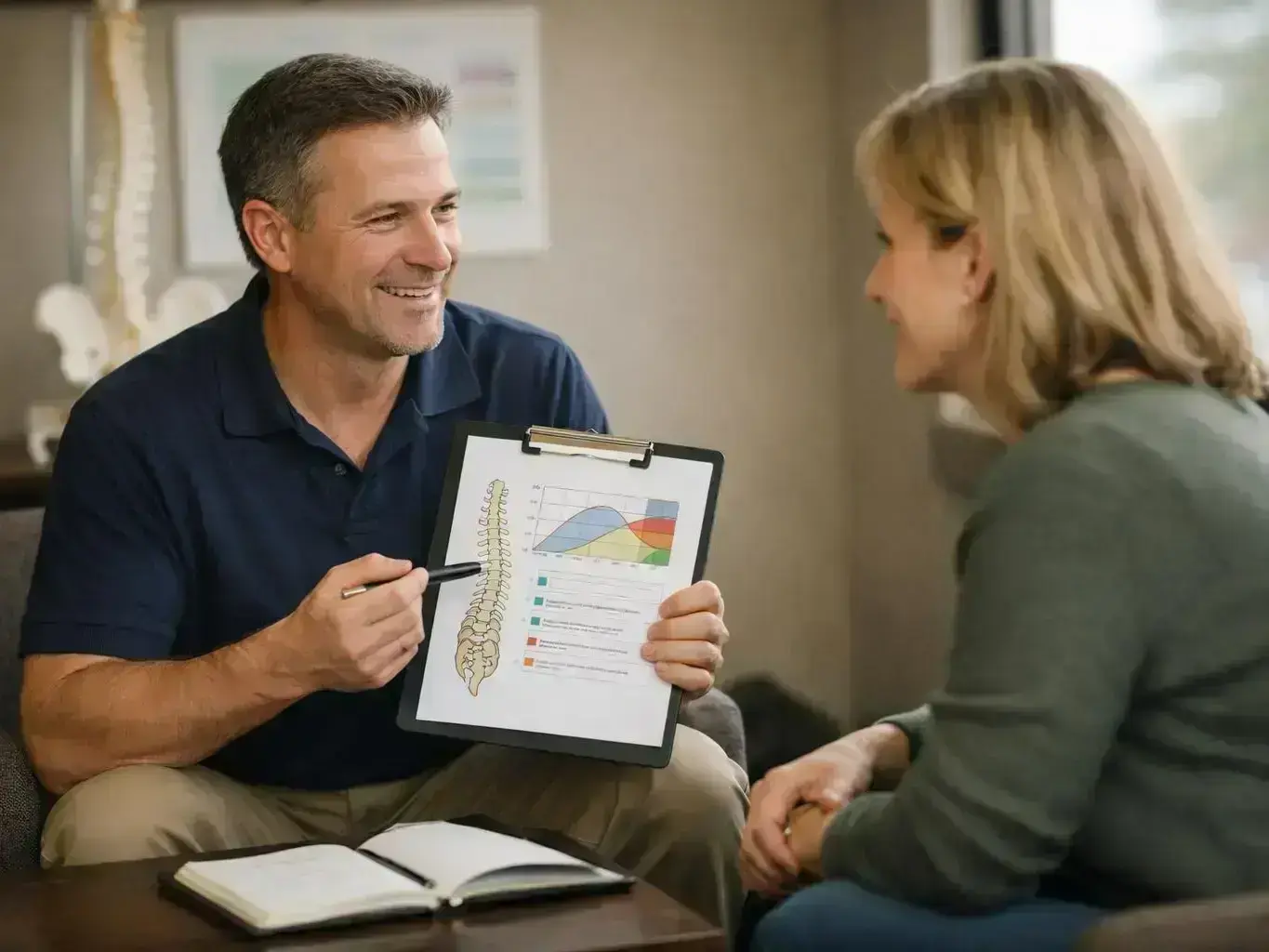
Chiropractors check your spine's alignment. They look at your discs and nerves too.
Why the Lumbar Spine Matters?
Your lumbar spine helps you do daily tasks. It lets you sit, stand, walk. And lift.
If it gets hurt, you may move less. It can cause long-term pain.
Back pain is a common reason people see doctors. Most back pain comes from the lumbar spine.
Fixing problems early can stop worse issues. These can include nerve damage or need for surgery.
Keeping your lumbar spine healthy helps you stay active. Strong muscles and good alignment help too.
They improve your posture. They also lower the risk of falls.
Athletes with strong lumbar spines can jump and run better. They also get hurt less.
Office workers with good support can sit longer. They don't get hurt from sitting too much.
When Lumbar Spine Matters Most?
The lumbar spine is key for lifting and bending. It's also important for sitting.
Workers in tough jobs need a strong lumbar spine. This includes builders and nurses.
Without care, stress can cause injuries. These can be muscle strains or herniated discs.
Athletes like runners need a strong lumbar spine. So do weightlifters.
People who sit a lot need to care for their spine. Sitting too long can weaken muscles.
It can also squeeze discs. That can cause long-term pain.
Aging affects the lumbar spine too. It can lead to arthritis or spinal stenosis.
Chiropractic care can help. So can therapy and lifestyle changes.
In Duluth, GA, many people stay active. Others have office jobs.
Lumbar spine health is a big concern here. People see chiropractors for many reasons.
They may need help after a sports injury. Or they may have long-term pain.
Some want to stay healthy. Knowing about the lumbar spine helps them choose wisely.