Glossary

What is Electrical Muscle Stimulation?

Electrical Muscle Stimulation is a therapeutic technique that uses controlled electrical currents to cause muscle contractions. These contractions help reduce pain, improve circulation. And promote healing in injured or overworked muscles. The method is often used in physical therapy and chiropractic care to support recovery and manage discomfort.

Reviewed by ChiropractorDuluth.linkSources reviewed: American Chiropractic Association, National Institutes of Health

Quick Facts About Electrical Muscle Stimulation

Category

Physical therapy and chiropractic treatment

Used for

Pain relief, muscle re-education. And injury recovery

Common confusion

Often mistaken for TENS, which targets nerves rather than muscles

Also called

EMS, Neuromuscular Electrical Stimulation (NMES)

Often discussed with

Car Accident Injury Rehabilitation, Sports Injury Chiropractic Care

Key Takeaways About Electrical Muscle Stimulation

Understanding Electrical Muscle Stimulation
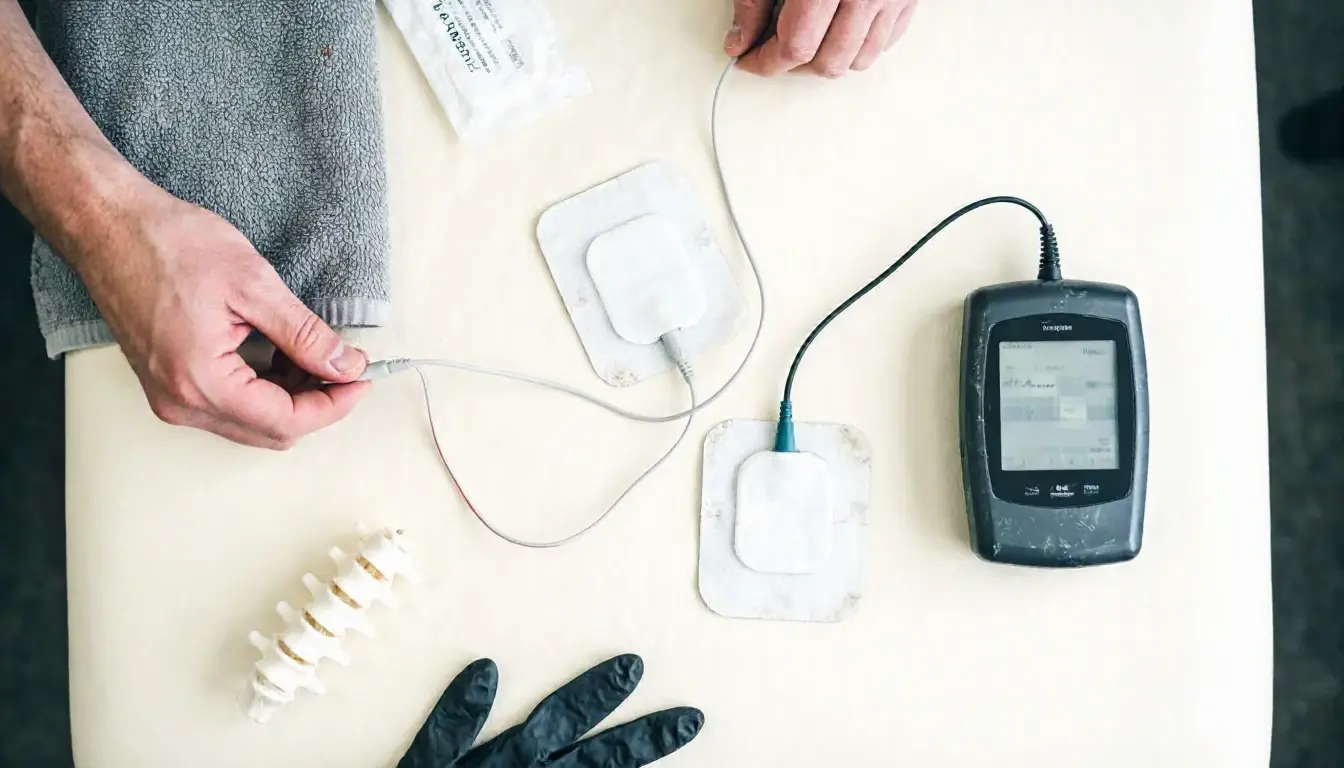
Electrical Muscle Stimulation in Chiropractor: Electrical Muscle Stimulation is a therapeutic technique that uses controll...

EMS (Electrical Muscle Stimulation) is a treatment. It sends small electric signals to muscles. These signals come through pads on your skin.

Related glossary terms: Chiropractic Care, Myofascial Release, Spinal Decompression.

The signals act like messages from your brain. They make muscles tighten and relax. You don't have to move for this to work.

This helps people who can't move much. It's good for those healing from injuries or surgeries.

How Electrical Muscle Stimulation Works?

Doctors and trainers use EMS a lot. In chiropractic care, it eases pain. It also stops muscle spasms.

EMS helps blood flow better. This speeds up healing. The doctor can change how strong or fast the signals are.

EMS is safe most of the time. But a trained person should always do it. This avoids skin problems or sore muscles.

For EMS, pads go on your skin. They sit over the muscle that needs help. The machine sends signals.

The signals make muscles squeeze and let go. This makes muscles stronger. It also helps them last longer.

Blood flows better too. This cuts down swelling. It helps your body heal faster.

The signals feel light. You might feel a tingle or tap. It shouldn't hurt.

The doctor sets how fast and strong the signals are. Slow signals help with pain. Fast signals make muscles stronger.

Fast signals can stop muscles from getting weak. Sessions last 10 to 30 minutes. It depends on what you need.

EMS works best with other treatments. These can be stretches or exercises. Together, they help you heal faster.

Why Electrical Muscle Stimulation Matters?
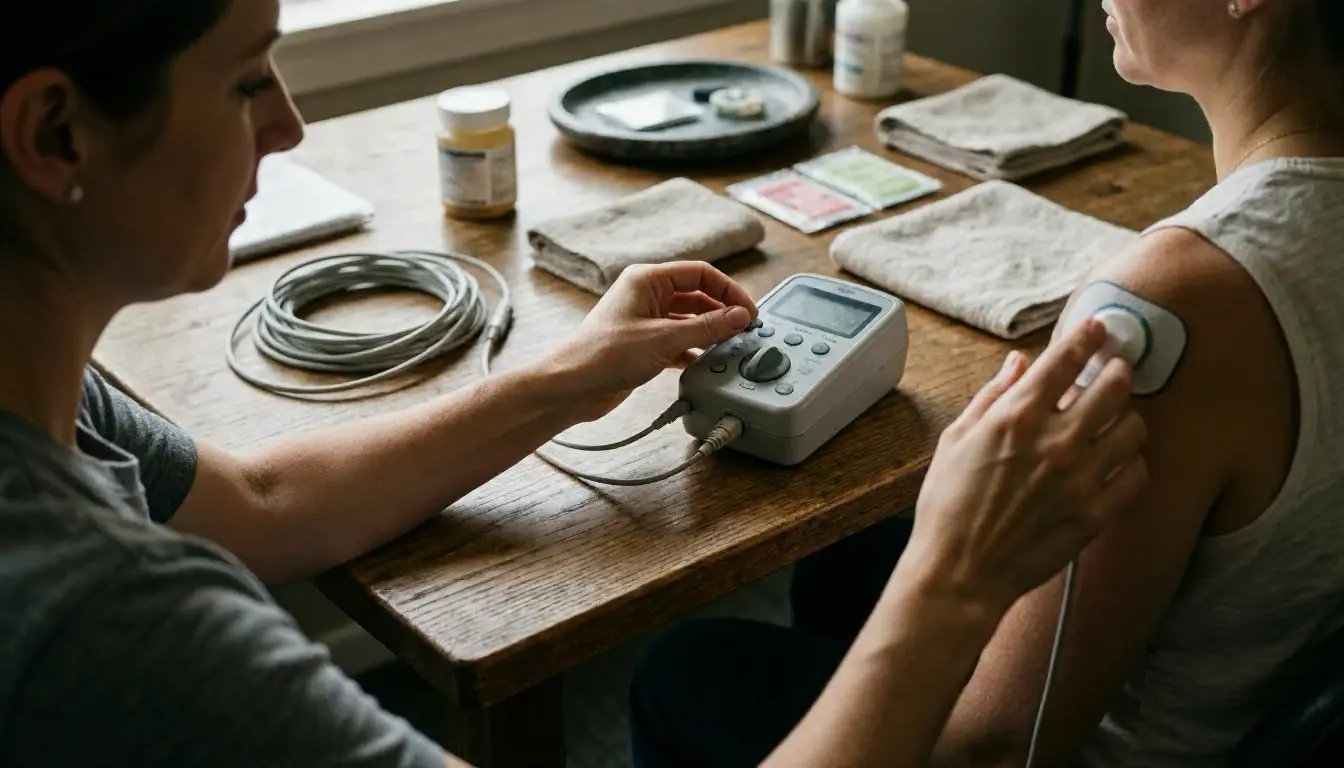
How Electrical Muscle Stimulation applies to Chiropractor services in Duluth, United States—practical illustration

EMS helps with pain and healing. It doesn't need drugs or surgery. This makes it a good choice.

It helps people move better after injuries or surgeries. Athletes use it to get stronger and recover faster.

In clinics, it's a way to manage pain. It's good for people who don't want medicine.

EMS can stop muscles from getting weak. This happens when you can't move them. It's called muscle atrophy.

This is key for people who can't move much. Like after surgery or an injury. EMS keeps muscles working.

This helps you heal faster. It also stops problems like stiffness. You keep moving like you should.

When Electrical Muscle Stimulation Matters Most?

EMS helps with muscle pain or weakness. It's good for back or neck pain. It also helps with muscle pulls.

It helps joints work better. People use it after surgeries. Like back or knee surgeries.

Athletes use it to recover faster. It helps after hard workouts or games.

In chiropractic care, EMS stops muscle spasms. It eases tight or sore muscles. It also cuts down swelling.

It's good for long-term problems. Like sciatica (nerve pain) or disc issues. EMS loosens tight muscles.

Older adults can use it too. It keeps muscles strong. It's easy on joints.

How to Evaluate Electrical Muscle Stimulation?

Related Concepts Compared

Electrical Muscle Stimulation vs. Transcutaneous Electrical Nerve Stimulation (TENS)

TENS targets nerves to block pain signals. While EMS focuses on stimulating muscles to contract and improve function.

Electrical Muscle Stimulation vs. Ultrasound Therapy

Ultrasound therapy uses sound waves to promote healing in deep tissues, whereas EMS uses electrical impulses to activate muscles.

Expert Note

EMS is most effective when tailored to the patient’s specific condition and combined with active rehabilitation. Overuse or improper settings can lead to muscle fatigue or discomfort. So professional guidance is essential.

Common Mistakes or Myths About Electrical Muscle Stimulation

  • Assuming EMS is the same as TENS, which serves a different purpose.
  • Using EMS without professional supervision, which can lead to muscle overuse or injury.
  • Expecting immediate results; EMS often requires multiple sessions for noticeable benefits.
  • Ignoring skin preparation, which can cause irritation or poor electrode contact.

Electrical Muscle Stimulation in Practice: A Real-World Example

A patient recovering from a car accident experiences muscle tightness and pain in their lower back. Their chiropractor recommends Electrical Muscle Stimulation to help relax the muscles, improve circulation. And reduce discomfort. After a few sessions, the patient reports less pain and improved mobility, allowing them to participate more fully in their rehabilitation exercises.

Sources & Further Reading on Electrical Muscle Stimulation

Related Services

Related Terms

Chiropractic Care

Chiropractic Care is a healthcare profession focused on diagnosing and treating musculoskeletal disorders, primarily those related to the spine. Chiropractic Care uses hands-on spinal manipulation and other alternative treatments to align the body’s musculoskeletal structure, particularly the spine, enabling the body to heal itself without surgery or medication. Treatment often addresses back pain, neck pain, joint issues. And headaches.

Myofascial Release

Myofascial Release is a hands-on therapy that gently stretches and loosens tight fascia, the thin tissue layer surrounding muscles, bones. And organs. This technique helps reduce pain, improve movement. And restore flexibility by releasing tension or restrictions in the fascia caused by injury, stress. Or poor posture.

Spinal Decompression

Spinal Decompression is a non-surgical treatment designed to relieve pressure on the spine and spinal nerves. It involves gently stretching the spine using a motorized table or device to create negative pressure within spinal discs, which may help herniated or bulging discs retract and promote healing by allowing oxygen, water. And nutrients to flow into the discs.

Trigger Point Therapy

Trigger Point Therapy is a manual treatment method that targets tight knots in muscles, called trigger points, which cause pain and stiffness. These knots form when muscle fibers fail to relax, often due to overuse, injury. Or stress. The therapy involves applying focused pressure to release the tension, improve blood flow.

Cold Laser Therapy

Cold Laser Therapy is a non-invasive treatment that uses low-level light lasers to stimulate healing in injured or inflamed tissues. Unlike surgical lasers, cold lasers don't produce heat, making them safe for pain relief, reducing inflammation. And promoting tissue repair in conditions like muscle strains, joint pain. And tendonitis.

ChiropractorDuluth.link

Have Questions About Electrical Muscle Stimulation?

Contact ChiropractorDuluth.link for practical guidance on Electrical Muscle Stimulation and related chiropractor work in Duluth.

+1 770-525-1431