Glossary

What is Cold Laser Therapy?

Cold Laser Therapy is a non-invasive treatment that uses low-level light lasers to stimulate healing in injured or inflamed tissues. Unlike surgical lasers, cold lasers don't produce heat, making them safe for pain relief, reducing inflammation. And promoting tissue repair in conditions like muscle strains, joint pain. And tendonitis.

Reviewed by ChiropractorDuluth.linkSources reviewed: U.S. Food and Drug Administration (FDA), National Center for Biotechnology Information (NCBI)

Quick Facts About Cold Laser Therapy

Category

Non-invasive light-based therapy

Used for

Pain relief, inflammation reduction, tissue repair

Common confusion

Not the same as surgical lasers that cut or burn tissue

Also called

Low-Level Laser Therapy (LLLT), Photobiomodulation Therapy

Often discussed with

Sports Injury Chiropractic Care, Work Injury Treatment

Key Takeaways About Cold Laser Therapy

Understanding Cold Laser Therapy
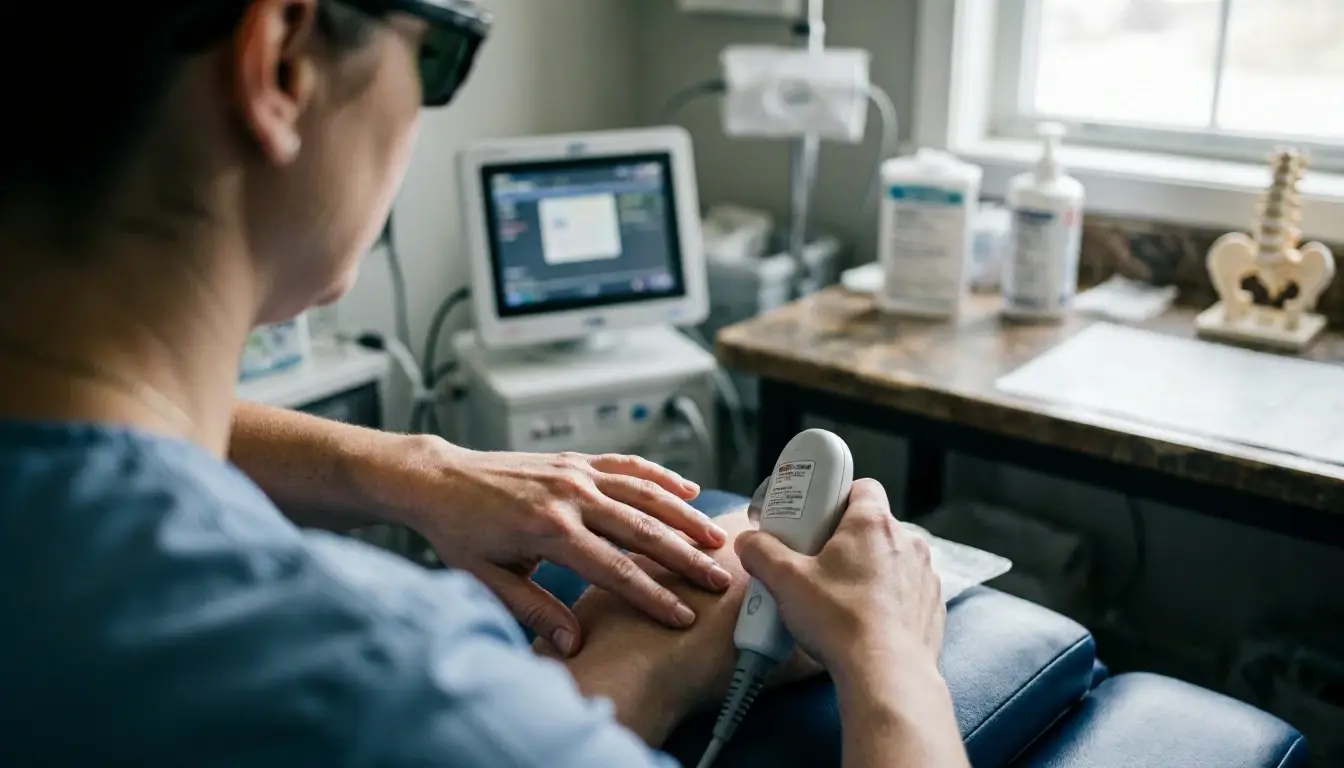
Cold Laser Therapy in Chiropractor: Cold Laser Therapy is a non-invasive treatment that uses low-level light lasers—visual...

Cold Laser Therapy, also known as low-level laser therapy (LLLT), is a medical treatment that uses specific wavelengths of light to interact with tissue. The light is delivered through a handheld device and absorbed by cells, which triggers biological reactions that help reduce pain and inflammation. Unlike high-power lasers used in surgery, cold lasers don't generate heat. So they do not damage tissue or cause discomfort. This makes the therapy safe for repeated use and suitable for a wide range of conditions, from acute injuries to chronic pain.

Related glossary terms: Chiropractic Care, Electrical Muscle Stimulation, Myofascial Release.

The idea behind Cold Laser Therapy is based on photobiomodulation, a process where light energy is converted into cellular energy. This energy boost helps cells function more efficiently, speeding up the healing process. The therapy is often used in chiropractic care, physical therapy. And sports medicine to treat issues like back pain, neck pain, tendonitis. And arthritis. Because it's non-invasive and has no known side effects, it is a popular choice for patients seeking alternatives to medication or surgery.

How Cold Laser Therapy Works?

Cold Laser Therapy works by emitting light at specific wavelengths, typically between 600 and 1000 nanometers, which penetrate the skin and reach underlying tissues. The light is absorbed by mitochondria, the energy-producing components of cells, which then increase production of adenosine triphosphate (ATP). ATP is the energy currency of cells. And higher levels of ATP help cells repair and regenerate more quickly. This process also reduces oxidative stress and inflammation, which are common contributors to pain and slow healing.

During a treatment session, a chiropractor or therapist places the laser device directly over the affected area for a set period, usually between 30 seconds and several minutes, depending on the size of the area and the condition being treated. The light passes through the skin without causing any sensation. Though some patients may feel a mild warmth. Most treatment plans involve multiple sessions, often spread over weeks, to achieve the best results. The number of sessions required varies based on the severity of the condition and how the body responds to the therapy.

Why Cold Laser Therapy Matters?
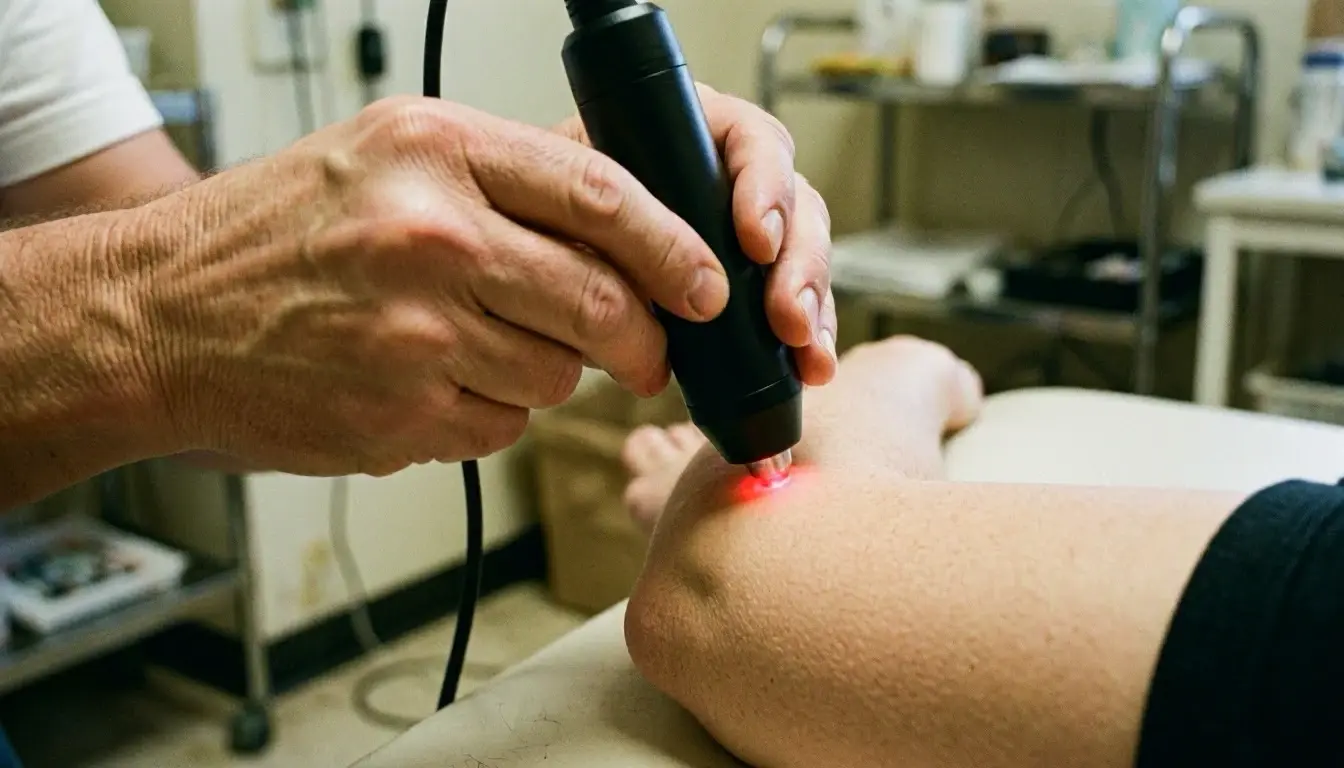
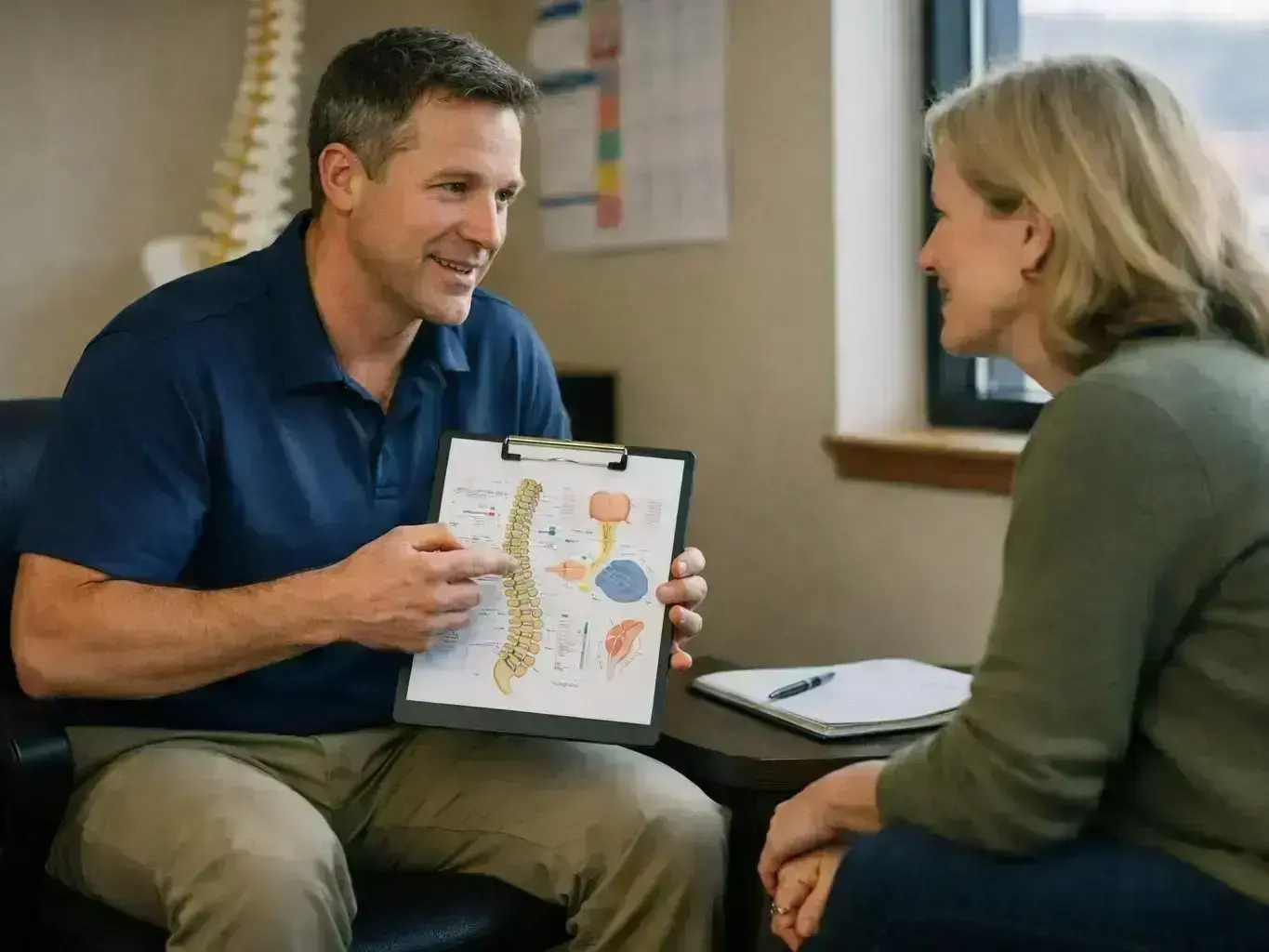
How Cold Laser Therapy applies to Chiropractor services in Duluth, United States—practical illustration

Cold Laser Therapy matters because it offers a safe, drug-free option for managing pain and promoting healing. For patients who can't take pain medications due to allergies, side effects. Or other health concerns, this therapy provides an alternative way to find relief. It is also beneficial for individuals recovering from injuries or surgeries, as it can accelerate tissue repair and reduce downtime. Athletes, in particular, use Cold Laser Therapy to recover faster from sprains, strains. And overuse injuries, allowing them to return to their activities sooner.

Another key benefit of Cold Laser Therapy is its ability to reduce inflammation, which is a common underlying factor in many chronic conditions like arthritis and tendonitis. By targeting inflammation at the cellular level, the therapy helps break the cycle of pain and swelling that can limit mobility and quality of life. And because the therapy is non-invasive and has no recovery time, patients can continue their daily activities immediately after a session, making it a convenient option for busy individuals.

When Cold Laser Therapy Matters Most?

Cold Laser Therapy is most valuable in situations where traditional treatments have failed or are not suitable. For example, patients with chronic pain conditions like fibromyalgia or neuropathy may find relief when medications and other therapies have not worked. It is also useful for individuals with acute injuries, such as sprains or muscle tears, where reducing inflammation quickly can prevent long-term damage. And Cold Laser Therapy is often used as part of a full rehabilitation plan for post-surgical recovery, helping to cut down on scar tissue formation and improve range of motion.

This therapy is also important for patients who prefer natural or complete approaches to healthcare. Because it doesn't involve drugs, injections. Or surgery, it aligns with the preferences of those seeking non-pharmacological treatments. In chiropractic care, Cold Laser Therapy is frequently combined with spinal adjustments, massage. Or other modalities to boost overall results. For residents in Duluth, GA, where chiropractic care is a common choice for pain management, Cold Laser Therapy provides an additional tool for addressing musculoskeletal issues without relying solely on medication or invasive procedures.
How to Evaluate Cold Laser Therapy?

Related Concepts Compared

Cold Laser Therapy vs. Electrical Muscle Stimulation (EMS)

EMS uses electrical currents to stimulate muscle contractions. While Cold Laser Therapy uses light to promote cellular healing. EMS is often used for muscle re-education, whereas Cold Laser Therapy focuses on tissue repair.

Cold Laser Therapy vs. Ultrasound Therapy

Ultrasound Therapy uses sound waves to generate heat deep in tissues. While Cold Laser Therapy uses light without heat. Ultrasound is often used for deep tissue heating. While Cold Laser Therapy targets cellular repair.

Expert Note

Cold Laser Therapy is most effective when used as part of a broader treatment plan. While it can reduce pain and inflammation, combining it with chiropractic adjustments, exercise. Or other therapies often yields faster and longer-lasting results for musculoskeletal conditions.

Common Mistakes or Myths About Cold Laser Therapy

  • Assuming Cold Laser Therapy is the same as surgical lasers, which cut or burn tissue.
  • Expecting immediate results after just one session, as most conditions require multiple treatments.
  • Believing Cold Laser Therapy can replace all other treatments, rather than complementing them.
  • Choosing a provider who does not tailor the wavelength or power settings to the specific condition.

Cold Laser Therapy in Practice: A Real-World Example

A runner in Duluth, GA, develops tendonitis in their Achilles tendon after increasing their training mileage. Their chiropractor recommends Cold Laser Therapy to reduce inflammation and speed up healing. After six sessions, the runner notices less pain and improved mobility, allowing them to return to running without discomfort.

Related Services

Related Terms

Chiropractic Care

Chiropractic Care is a healthcare profession focused on diagnosing and treating musculoskeletal disorders, primarily those related to the spine. Chiropractic Care uses hands-on spinal manipulation and other alternative treatments to align the body’s musculoskeletal structure, particularly the spine, enabling the body to heal itself without surgery or medication. Treatment often addresses back pain, neck pain, joint issues. And headaches.

Electrical Muscle Stimulation

Electrical Muscle Stimulation is a therapeutic technique that uses controlled electrical currents to cause muscle contractions. These contractions help reduce pain, improve circulation. And promote healing in injured or overworked muscles. The method is often used in physical therapy and chiropractic care to support recovery and manage discomfort.

Myofascial Release

Myofascial Release is a hands-on therapy that gently stretches and loosens tight fascia, the thin tissue layer surrounding muscles, bones. And organs. This technique helps reduce pain, improve movement. And restore flexibility by releasing tension or restrictions in the fascia caused by injury, stress. Or poor posture.

Spinal Decompression

Spinal Decompression is a non-surgical treatment designed to relieve pressure on the spine and spinal nerves. It involves gently stretching the spine using a motorized table or device to create negative pressure within spinal discs, which may help herniated or bulging discs retract and promote healing by allowing oxygen, water. And nutrients to flow into the discs.

Trigger Point Therapy

Trigger Point Therapy is a manual treatment method that targets tight knots in muscles, called trigger points, which cause pain and stiffness. These knots form when muscle fibers fail to relax, often due to overuse, injury. Or stress. The therapy involves applying focused pressure to release the tension, improve blood flow.

ChiropractorDuluth.link

Have Questions About Cold Laser Therapy?

Contact ChiropractorDuluth.link for practical guidance on Cold Laser Therapy and related chiropractor work in Duluth.

+1 770-525-1431