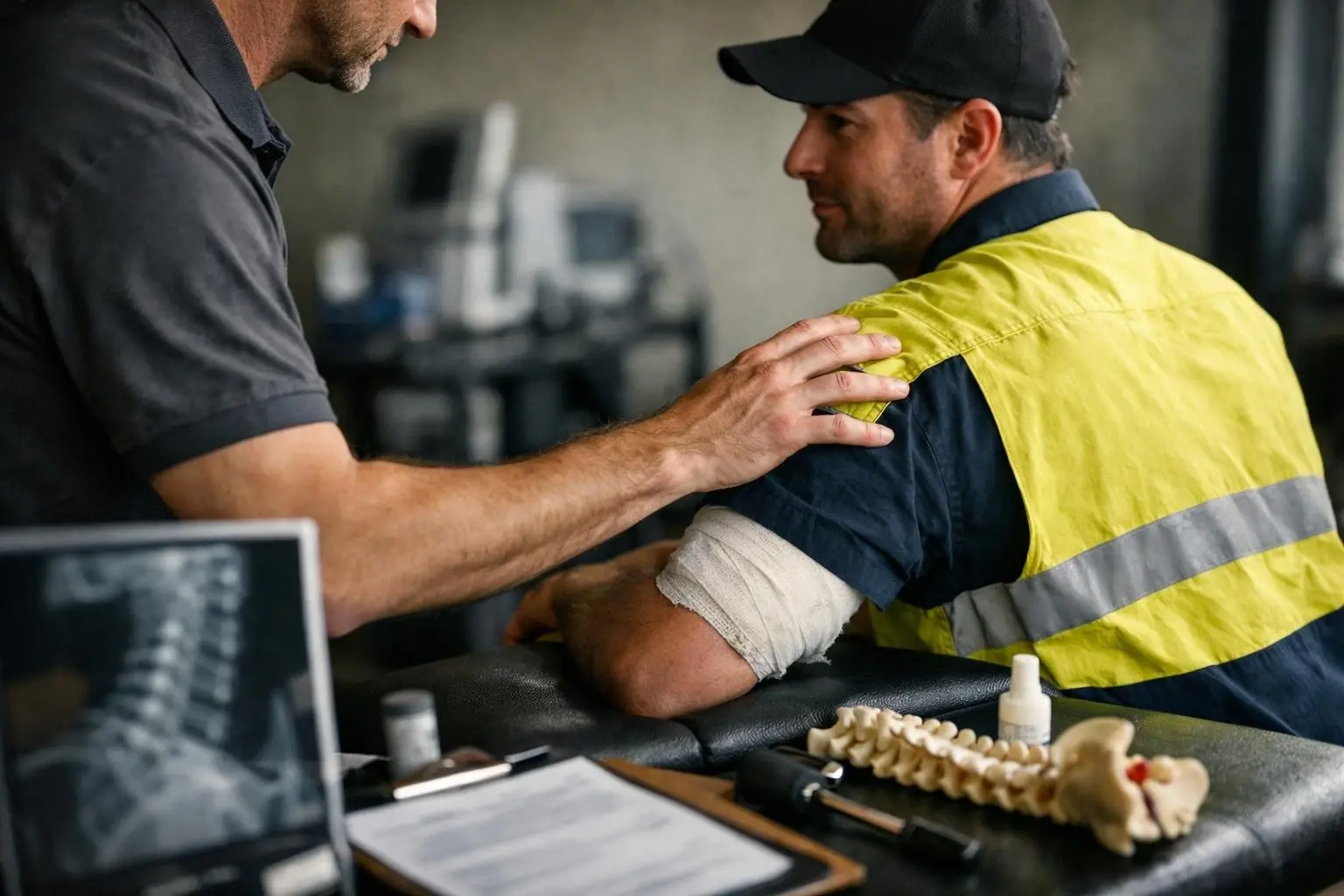
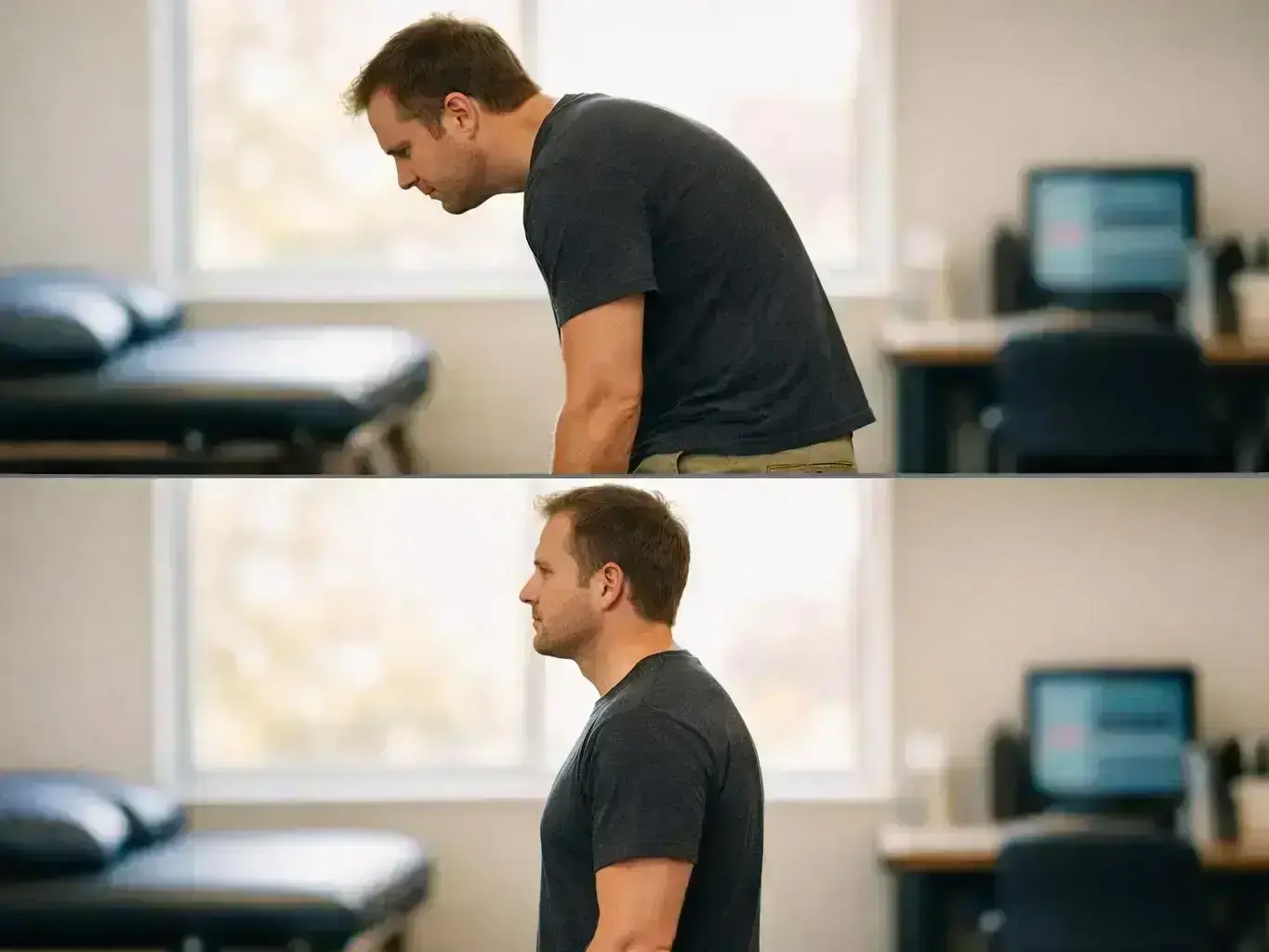
Workers' Compensation is a state-mandated insurance program that provides medical benefits and wage replacement to employees who suffer job-related injuries or illnesses. Workers' Compensation covers medical expenses, rehabilitation costs. And a portion of lost wages while protecting employers from lawsuits related to workplace injuries. Coverage requirements and benefits vary by state but generally apply to most full-time and part-time workers.
Category
State-regulated insurance program
Used for
Job-related injuries and illnesses
Common confusion
Not the same as health insurance or unemployment benefits
Also called
Workers' Comp, Work Comp
Often discussed with
Work Injury Treatment, Chiropractic Consultation and Diagnosis

Workers' Compensation is insurance. Bosses buy it to protect workers. It helps if they get hurt or sick at work.
Related glossary terms: Chiropractic Care, Personal Injury Protection, ICD-10 Codes.
Workers get benefits instead of suing. These pay for doctor visits and therapy. They also pay part of the worker's usual pay.
This program is no-fault. That means it pays no matter who caused the injury. The injury must happen at work.
Each state has its own rules. They say who must be covered. They also say what injuries count.
Most states say bosses must have this insurance. They need it even if they have one worker. Some small businesses don't need it.
Bosses pay for this program. Workers don't pay anything for it.
If a worker gets hurt, tell the boss fast. Delays can cause problems. The boss then tells the insurance company.
The insurance company checks the claim. They decide if they will pay. If they say yes, they pay for medical care.
This care includes doctor visits and hospital stays. It also covers medicine and therapy.
Workers' Compensation also pays some lost wages. It pays about two-thirds of usual pay. This starts after missing a few work days.
The exact number of days varies by state. Some states help workers train for new jobs. This helps if they can't do their old job.
If a worker disagrees, they can appeal. They do this through the state board or court.

Workers' Compensation is very important. It helps hurt workers with money. It also keeps bosses safe from lawsuits.
Without it, workers might face big bills. Bosses could be sued a lot. The program helps both.
It also makes workplaces safer. Bosses with fewer injuries pay less for insurance.
For workers, it pays for medical care. They don't pay anything. It also keeps their jobs safe.
Bosses can't fire workers for filing a claim. The program helps bosses too. It keeps them safe from big lawsuits.
It also helps keep workers on the job. This is good for everyone.
Some jobs have more risks. These include construction and healthcare. But any job can have injuries.
Injuries can happen in offices too. Slips and falls are common. So are injuries from typing too much.
The program also covers work illnesses. These include lung disease or stress.
Timing is very important. Tell the boss about injuries fast. Often, you have 30 days.
Get medical help right away. Delays can make injuries worse. They can also hurt your claim.
Don't go back to work too soon. You might get hurt again. Staying out too long can also cause problems.
Know your state's rules. This helps you get all your benefits.
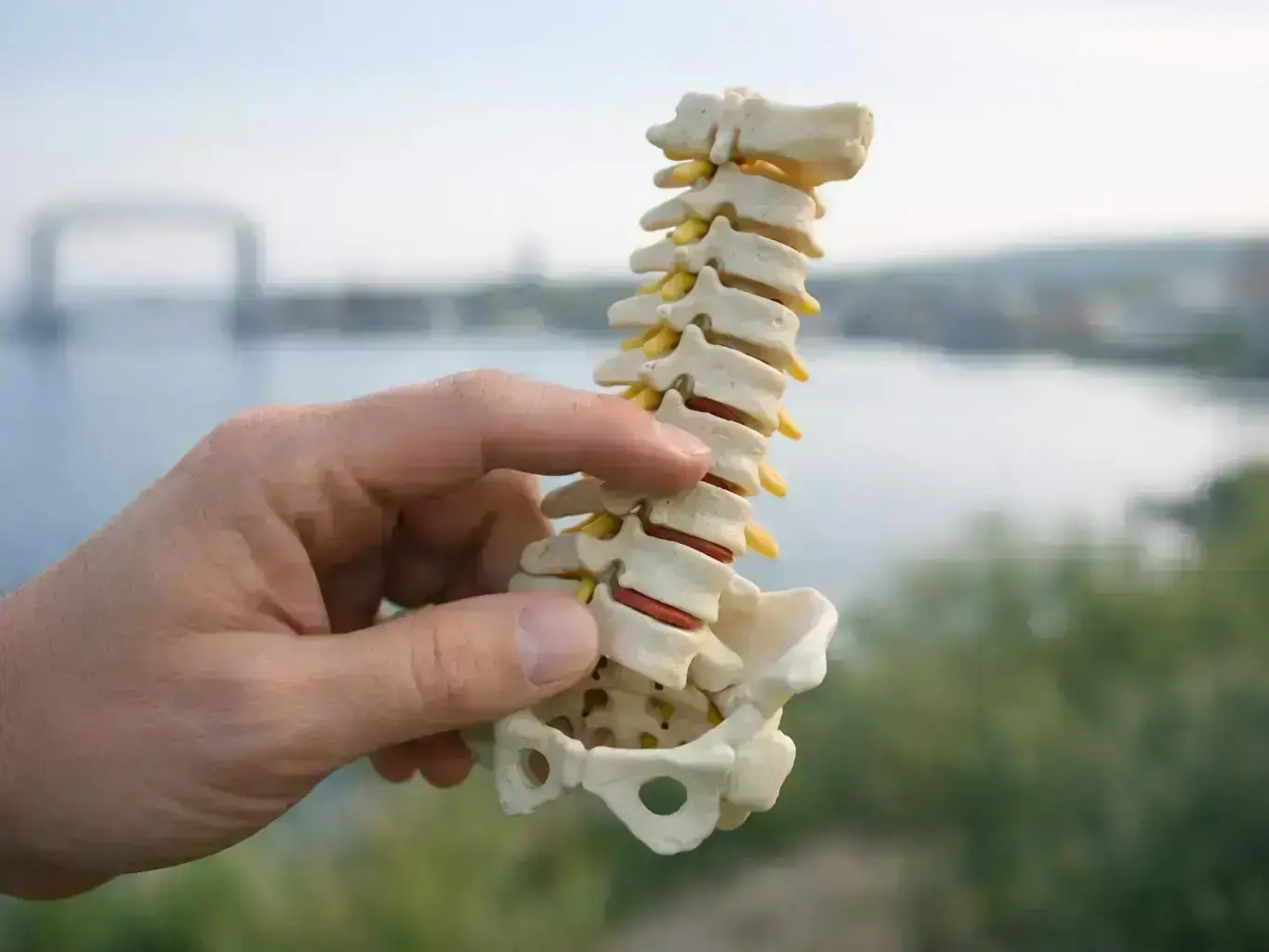
PIP is car insurance that covers medical expenses and lost wages after a vehicle accident, regardless of fault. Workers' Compensation covers injuries that happen at work, not just in a car.
Disability insurance pays benefits if you cannot work due to illness or injury, whether work-related or not. Workers' Compensation only covers injuries or illnesses caused by your job.
Health insurance covers medical care for illnesses and injuries. But not lost wages. Workers' Compensation covers both medical costs and a portion of lost pay for work-related injuries.
Many injured workers assume Workers' Compensation covers all medical treatments. But some therapies—like certain chiropractic or alternative treatments—may require pre-authorization. Always confirm coverage before starting care to avoid unexpected bills.
A warehouse worker in Duluth, GA, strains their back while lifting heavy boxes. They report the injury to their supervisor, who files a Workers' Compensation claim. The insurance company approves the claim, covering doctor visits, physical therapy. And a portion of the worker's paycheck while they recover at home.
Chiropractic Care is a healthcare profession focused on diagnosing and treating musculoskeletal disorders, primarily those related to the spine. Chiropractic Care uses hands-on spinal manipulation and other alternative treatments to align the body’s musculoskeletal structure, particularly the spine, enabling the body to heal itself without surgery or medication. Treatment often addresses back pain, neck pain, joint issues. And headaches.
Personal Injury Protection is a type of auto insurance coverage required in some states that pays for medical expenses, lost wages. And other costs resulting from injuries sustained in a car accident, regardless of who caused the crash. It's often called 'no-fault' insurance because it covers the policyholder and their passengers without needing to determine fault first.
ICD-10 Codes are a standardized system of medical diagnosis codes used worldwide to classify diseases, injuries. And health conditions. Developed by the World Health Organization, these codes help healthcare providers, including chiropractors, document patient conditions accurately for billing, treatment tracking. And insurance claims. Each code consists of letters and numbers that describe specific health issues.
Back Pain is discomfort, ache. Or sharp sensations felt anywhere along the spine, from the neck to the lower back. Back Pain can be temporary or long-lasting, mild or severe. And may stem from muscle strain, injury, poor posture. Or underlying medical conditions like disc herniation or arthritis. It often limits movement and daily activities, making it a leading reason people seek medical or chiropractic care.
Joint Dysfunction is a condition where a joint in the body moves improperly or loses its normal range of motion. This can cause pain, stiffness, swelling. Or reduced function in the affected area. Joint Dysfunction often results from injury, overuse, poor posture. Or underlying health issues like arthritis. It may affect any joint, including the spine, shoulders, hips.
ChiropractorDuluth.link
Contact ChiropractorDuluth.link for practical guidance on Workers' Compensation and related chiropractor work in Duluth.