Understanding Personal Injury Protection

Personal Injury Protection, often abbreviated as PIP, is a part of auto insurance that helps pay for medical expenses, rehabilitation costs. And even lost wages after a car accident. Unlike traditional liability insurance, which covers injuries to other people when the policyholder is at fault, PIP covers the policyholder and their passengers regardless of who caused the crash. This is why it's commonly called "no-fault" insurance. PIP can also cover services like childcare or house cleaning if injuries prevent the policyholder from performing daily tasks.
Related glossary terms: Workers' Compensation, Chiropractic Care.
PIP is required in some states, including Florida, New York. And Michigan. But it is optional or unavailable in others. In Georgia, PIP is not mandatory. But drivers can choose to add it to their policy. The coverage limits and specific benefits vary by state and insurance company. So The key thing is to review the policy details. For example, some policies may cover up to ,000 in medical expenses. While others may offer higher or lower limits. PIP is designed to provide quick access to funds for accident-related costs without waiting for a fault determination.
How Personal Injury Protection Works?
When an accident occurs, PIP coverage activates as soon as the policyholder or their passengers seek medical treatment for injuries. The insurance company typically pays the medical provider directly or reimburses the policyholder for expenses. PIP can cover a wide range of costs, including hospital bills, doctor visits, surgery, physical therapy. And even ambulance fees. It may also cover lost wages if the injuries prevent the policyholder from working. Though the amount is usually capped at a percentage of their regular income.
One key feature of PIP is that it pays out regardless of who is at fault in the accident. This means the policyholder doesn't have to wait for an insurance investigation or legal decision to receive benefits. But PIP coverage has limits. And once those limits are reached, the policyholder may need to rely on their health insurance or other sources for additional costs. In some states, PIP also includes a deductible, which is the amount the policyholder must pay out of pocket before the coverage kicks in. For example, if the deductible is 0, the policyholder would pay the first 0 of medical expenses before PIP starts covering the rest.
- PIP covers medical expenses, lost wages. And related costs up to the policy limit.
- It pays out quickly, often without waiting for fault determination.
- Coverage details, limits. And deductibles vary by state and insurance company.
- PIP may coordinate with health insurance to cover additional expenses.
Why Personal Injury Protection Matters?
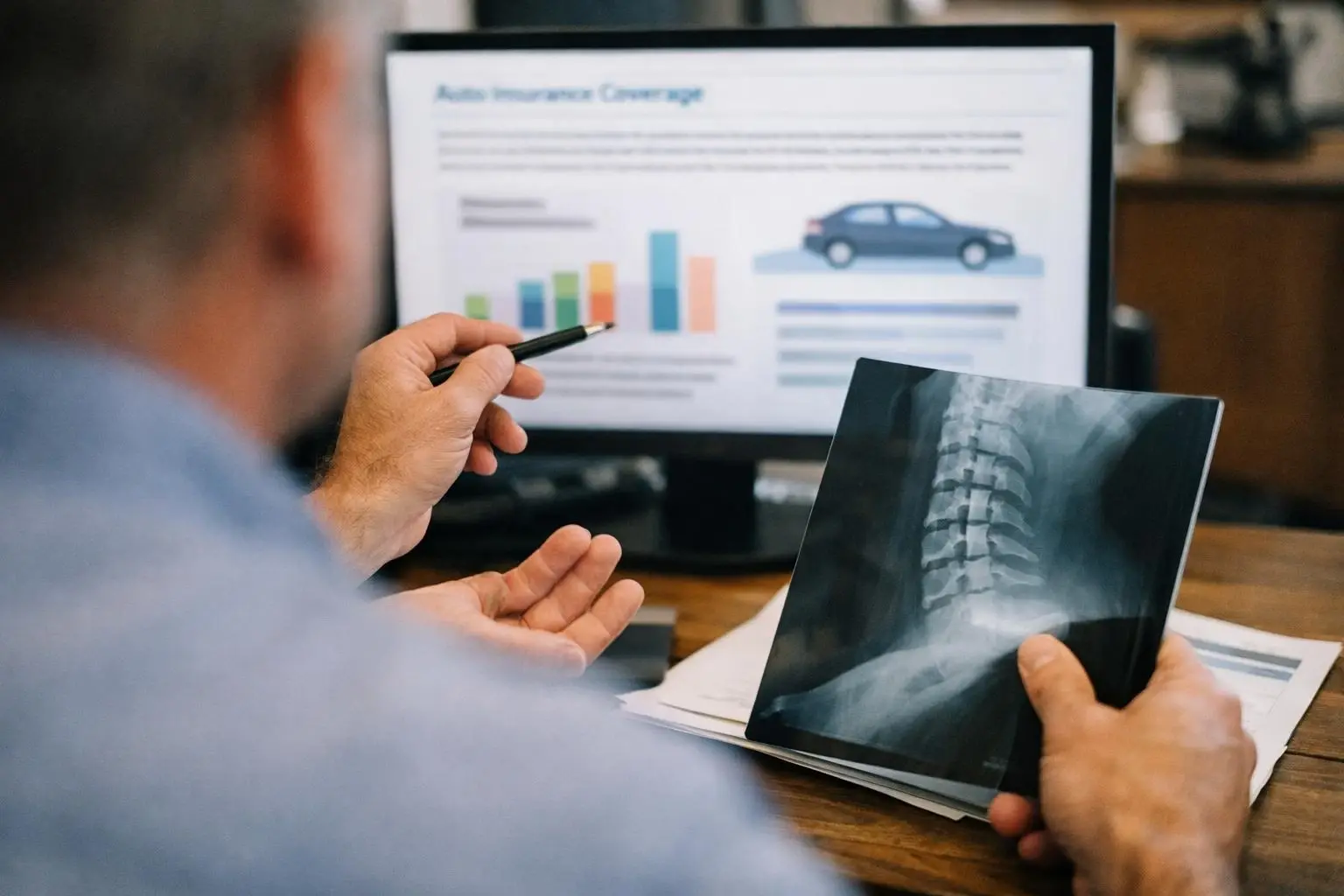
Personal Injury Protection matters because it provides financial protection after a car accident, reducing the stress of medical bills and lost income. For many people, especially those without health insurance or with high-deductible plans, PIP can be a lifeline that ensures they receive necessary medical care without delay. It also helps cover costs that health insurance may not, such as transportation to medical appointments or household services if injuries prevent the policyholder from performing daily tasks.
For local customers, Another reason PIP is valuable is that it simplifies the claims process. Since PIP pays out regardless of fault, policyholders don't have to wait for lengthy investigations or legal disputes to access funds. This can be especially important for those who rely on their income to support themselves or their families. Without PIP, accident victims might face delays in receiving compensation, which could lead to financial hardship or difficulty paying for necessary treatments.
When Personal Injury Protection Matters Most?
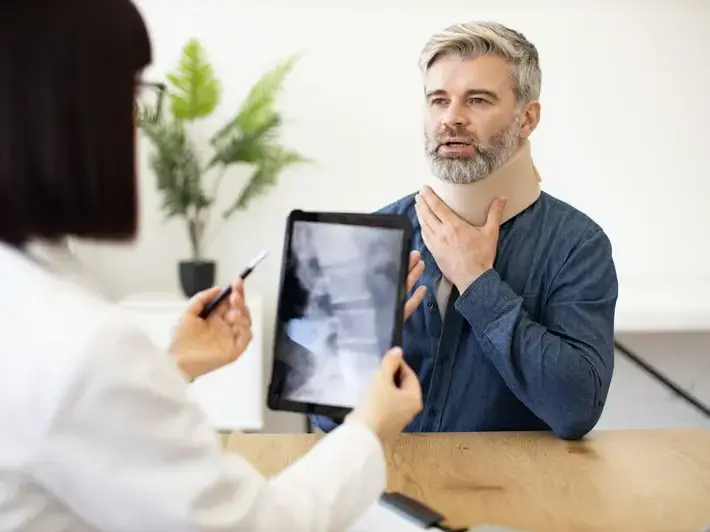
Personal Injury Protection matters most in situations where injuries from a car accident require immediate medical attention or result in lost wages. For example, if a driver or passenger sustains whiplash, broken bones. Or other injuries in a crash, PIP can cover the cost of hospital visits, physical therapy. And follow-up care. It also becomes important if the injuries prevent the policyholder from working, as PIP can help replace a portion of their lost income during recovery.
PIP is also valuable in states where it is required, as drivers must carry it to comply with the law. Even in states where it is optional, PIP can be a smart choice for drivers who want extra protection beyond their health insurance. For instance, if a policyholder has a high-deductible health plan, PIP can help cover out-of-pocket expenses that might otherwise be unaffordable. And PIP can be useful for passengers who do not have their own health insurance, as it ensures they receive medical care after an accident.
- After a car accident with injuries requiring medical treatment.
- When injuries prevent the policyholder from working and earning income.
- In states where PIP is required by law.
- For passengers who lack health insurance coverage.
- When health insurance deductibles or copays are high.