Glossary

What is Adjustment?

Adjustment is a precise manual procedure performed by a chiropractor to restore proper movement and alignment to a joint, most commonly in the spine. Adjustments use controlled force to improve mobility, reduce pain. And support nervous system function without surgery or medication.

Reviewed by ChiropractorDuluth.linkSources reviewed: American Chiropractic Association, National Board of Chiropractic Examiners

Quick Facts About Adjustment

Category

Chiropractic technique

Used for

Joint pain, stiffness. And nervous system support

Common confusion

Often mistaken for massage or general cracking of bones

Also called

Chiropractic adjustment, Spinal manipulation

Often discussed with

Chiropractic Consultation and Diagnosis, Neck Injury Treatment

Key Takeaways About Adjustment

Understanding Adjustment

Adjustment in Chiropractor: Adjustment is a precise manual procedure performed by a chiropractor to restore—visual guide

An adjustment is a hands-on fix. Chiropractors use it to fix spine or joint problems. It's also called a chiropractic manipulation.

Related glossary terms: Chiropractic Adjustment, Joint Dysfunction, Chiropractic Care.

These problems are called subluxations (joints out of place). They can cause pain or stiffness. They can also limit how well you move.

Adjustments help joints work right. This may ease pain and help you feel better. The process is fast and often makes a popping sound.

That sound is just gas leaving the joint.

Chiropractors train a lot to do adjustments safely. They check each patient first. They may use exams or X-rays to decide if it's safe.

Adjustments work on more than just the spine. They can help shoulders, knees. Or ankles too. The goal is to help your body heal itself.

You won't need medicine or surgery.

How Adjustment Works?

During an adjustment, the chiropractor pushes a joint fast. The push is sudden but controlled. It helps put the joint back in place.

This eases pressure on nerves and muscles. It often feels like a quick push or gentle pressure. Many people feel better right away.

Some problems need more than one visit. This is true for long-term issues.

Chiropractors use different ways to adjust. Some methods are quick and sharp. Others use slow, steady pressure.

They may use tools or special tables. The method depends on the patient. Age, health. And comfort matter.

Safety is always first. Chiropractors adjust carefully to avoid harm.

Why Adjustment Matters?
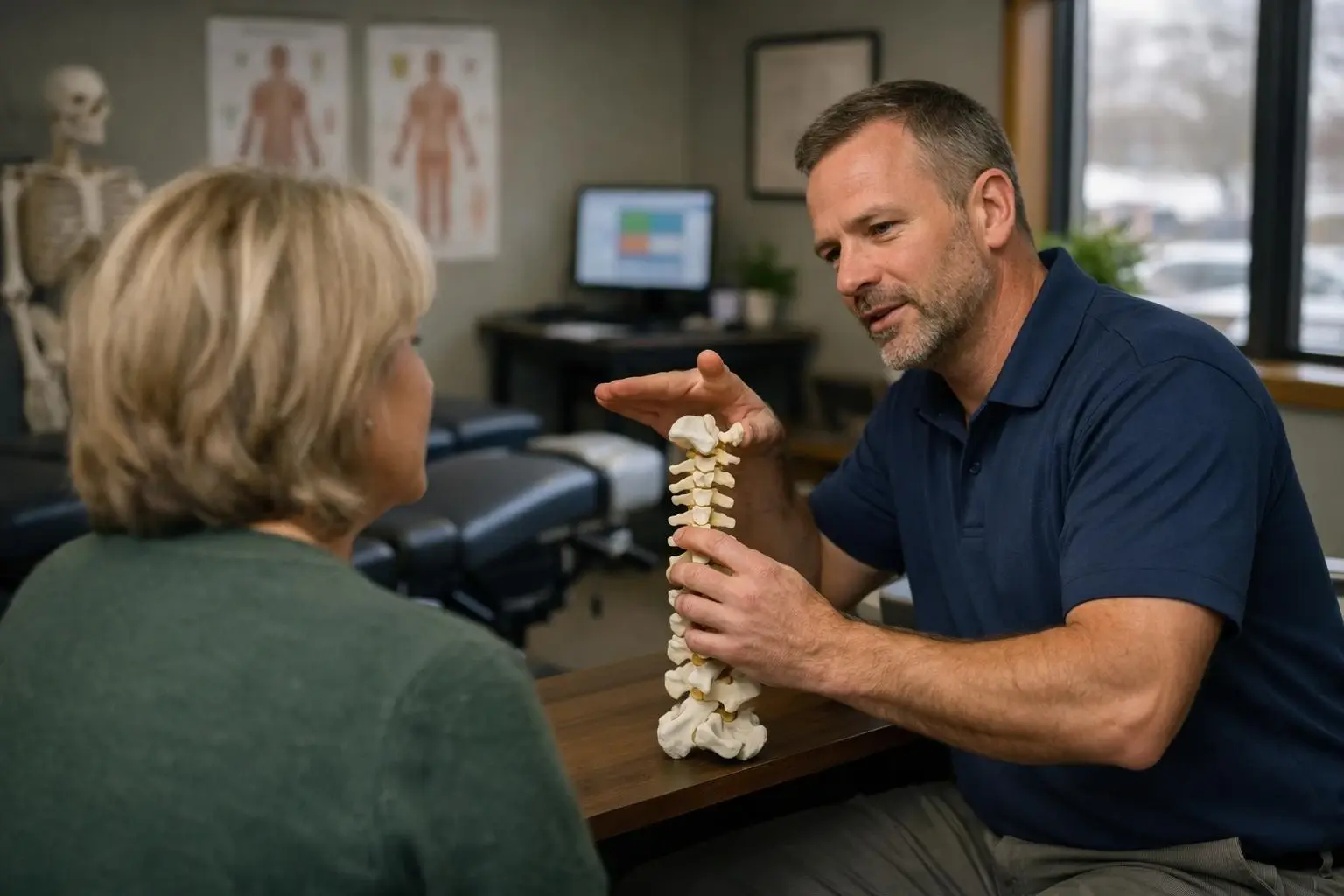
How Adjustment applies to Chiropractor services in Duluth, United States—practical illustration

Adjustments help many people move better. They also help manage pain. When joints are out of place, nerves can get irritated.

This can cause pain, tingling. Or weakness. Adjustments help fix this. They improve how nerves work.

This helps with back pain, neck pain. And headaches. It also helps stiff joints.

Adjustments do more than ease pain. They help your body move freely. This reduces stress on muscles and ligaments.

It can improve posture and balance. It may even help sports performance. Many people add adjustments to their health routine.

They also exercise, stretch. And eat well. Adjustments aren't a cure-all. But they offer a natural way to help some problems.

When Adjustment Matters Most?

Adjustments help people with joint pain or stiffness. They also help if you can't move well. Common problems include back pain and neck pain.

They help headaches, sciatica (nerve pain). And shoulder pain. They also help knee pain. People who sit a lot may benefit too.

So may those who do the same motions over and over. Or those with bad posture.

Adjustments can help after injuries. Like car accidents, sports injuries. Or falls. These can cause joints to move out of place.

This can lead to long-term pain. Chiropractors work with other health providers. Like physical therapists or doctors.

This ensures full recovery. But adjustments aren't for everyone. Chiropractors won't do them if you have severe osteoporosis.

They also won't if you have fractures or certain infections.

How to Evaluate Adjustment?

Related Concepts Compared

Adjustment vs. Chiropractic manipulation

Chiropractic manipulation is a broader term that includes any hands-on technique to improve joint function. While an adjustment specifically refers to the precise, controlled force used to realign joints.

Adjustment vs. Massage therapy

Massage therapy focuses on relaxing muscles and improving circulation. While an adjustment targets joint alignment and nervous system function.

Expert Note

Adjustments are highly individualized. What works for one patient may not be suitable for another. A skilled chiropractor will always assess the patient’s unique needs and adjust their technique accordingly to ensure safety and effectiveness.

Common Mistakes or Myths About Adjustment

  • Assuming all adjustments are the same; techniques vary based on patient needs.
  • Believing adjustments are only for back pain; they can help other joints too.
  • Expecting instant, permanent results; some conditions require multiple sessions.
  • Thinking adjustments are unsafe; when done by a trained professional, they are low-risk.

Adjustment in Practice: A Real-World Example

After sitting at a desk for long hours, a person develops lower back pain and stiffness. A chiropractor performs an adjustment to realign the lumbar spine, which helps reduce pressure on the nerves. The patient feels immediate relief and notices improved mobility after the session.

Sources & Further Reading on Adjustment

Related Services

Related Terms

Chiropractic Adjustment

Chiropractic Adjustment is a precise, hands-on procedure where a licensed chiropractor applies controlled force to a joint in the spine or other body part. The goal is to improve alignment, reduce pain. And restore normal movement. Adjustments are a core treatment in chiropractic care and are often used for back pain, neck pain. And headaches.

Joint Dysfunction

Joint Dysfunction is a condition where a joint in the body moves improperly or loses its normal range of motion. This can cause pain, stiffness, swelling. Or reduced function in the affected area. Joint Dysfunction often results from injury, overuse, poor posture. Or underlying health issues like arthritis. It may affect any joint, including the spine, shoulders, hips.

Chiropractic Care

Chiropractic Care is a healthcare profession focused on diagnosing and treating musculoskeletal disorders, primarily those related to the spine. Chiropractic Care uses hands-on spinal manipulation and other alternative treatments to align the body’s musculoskeletal structure, particularly the spine, enabling the body to heal itself without surgery or medication. Treatment often addresses back pain, neck pain, joint issues. And headaches.

Spinal Decompression

Spinal Decompression is a non-surgical treatment designed to relieve pressure on the spine and spinal nerves. It involves gently stretching the spine using a motorized table or device to create negative pressure within spinal discs, which may help herniated or bulging discs retract and promote healing by allowing oxygen, water. And nutrients to flow into the discs.

Diversified Technique

Diversified Technique is the most commonly used chiropractic adjustment method. Diversified Technique involves manual, high-velocity, low-amplitude thrusts to restore joint motion, reduce pain. And improve spinal function. Chiropractors apply precise force to specific vertebrae or joints to correct misalignments and support nervous system health.

ChiropractorDuluth.link

Have Questions About Adjustment?

Contact ChiropractorDuluth.link for practical guidance on Adjustment and related chiropractor work in Duluth.

+1 770-525-1431