Understanding Orthopedic Tests

Orthopedic Tests are a set of physical examinations chiropractors and other healthcare providers use to diagnose problems in muscles, joints. And nerves. Unlike imaging tests such as X-rays or MRIs, these tests rely on hands-on techniques. The provider asks the patient to move in specific ways or applies gentle pressure to certain areas. If the movement or pressure causes pain, stiffness. Or limited motion, it can indicate an injury or condition that needs treatment.
These tests are especially useful because they provide immediate feedback. For example, if a patient reports shoulder pain, a chiropractor might perform the Hawkins-Kennedy test, which involves raising the arm and rotating it inward. If this movement reproduces the pain, it suggests a possible rotator cuff issue. Other tests, like the Straight Leg Raise, help identify sciatica or disc problems in the lower back. Because they don’t require expensive equipment, Orthopedic Tests are a quick and cost-effective way to narrow down the cause of pain.
How Orthopedic Tests Work?
Orthopedic Tests follow a structured approach. First, the chiropractor asks the patient about their symptoms, such as where the pain is, how long it has lasted. And what makes it better or worse. This information helps the provider choose which tests to perform. Each test is designed to stress a specific part of the body in a controlled way. For instance, the Ober’s test checks for tightness in the iliotibial (IT) band by having the patient lie on their side while the provider moves the leg backward.
During the test, the provider watches for signs like pain, muscle spasms. Or limited range of motion. They may also ask the patient to describe what they feel. Some tests involve resistance, where the patient pushes against the provider’s hand to check for weakness. Others, like the Phalen’s test for carpal tunnel syndrome, require holding a position for a short time to see if symptoms appear. The results of these tests, combined with the patient’s history, help the provider form a diagnosis and recommend the right treatment, whether it’s chiropractic adjustments, physical therapy. Or further medical evaluation.
Why Orthopedic Tests Matter?

Orthopedic Tests matter because they help providers identify the root cause of pain or dysfunction without relying solely on expensive or invasive tests. Many muscle, joint. And nerve problems don’t show up clearly on X-rays or MRIs. But they can still cause significant discomfort. For example, a sprained ligament or a pinched nerve might not appear on imaging. But Orthopedic Tests can reveal the issue by reproducing the patient’s symptoms. So you can for more targeted and effective treatment, reducing the guesswork in care.
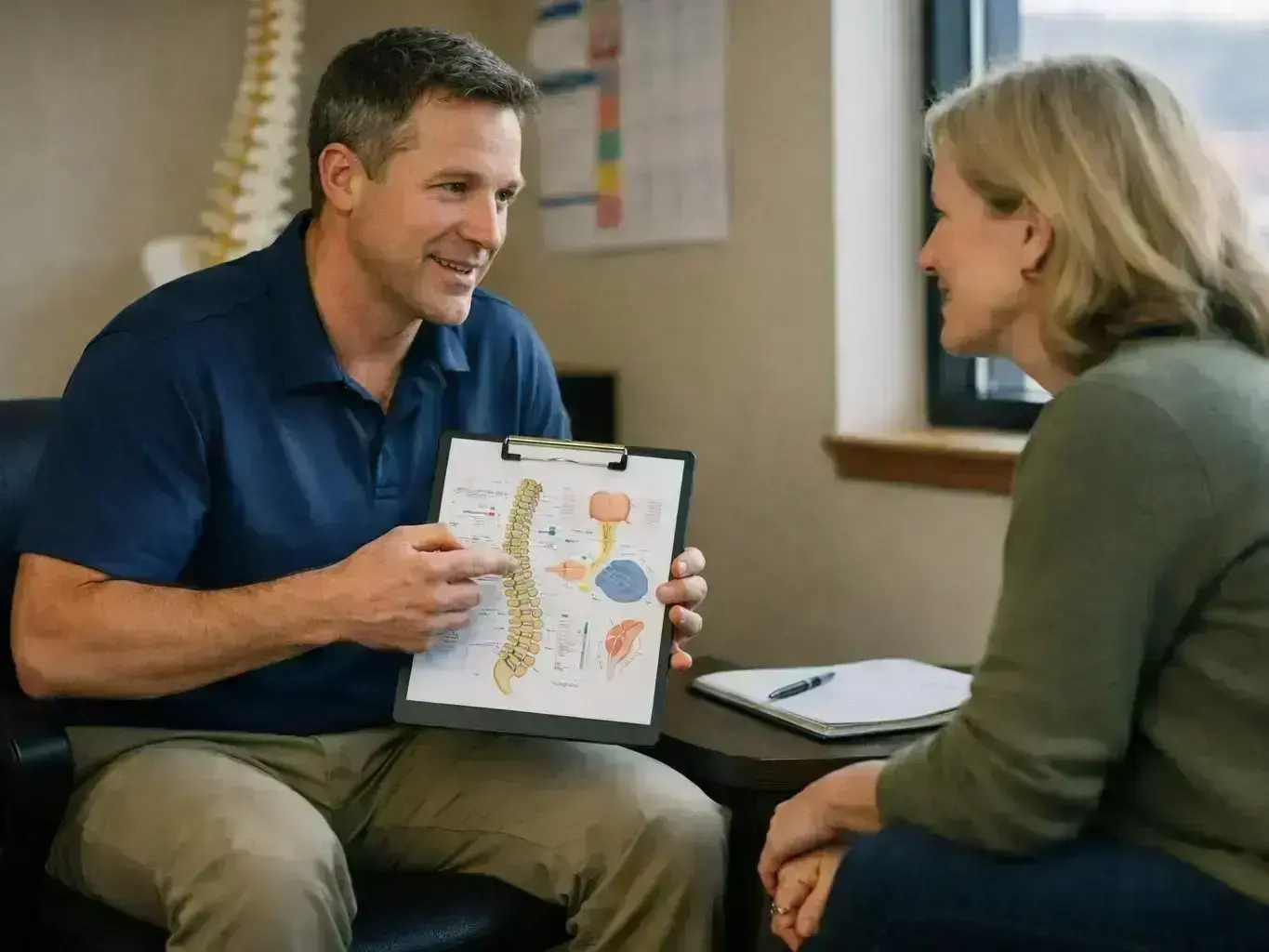
These tests also help patients understand their condition better. When a provider explains how a specific movement or pressure causes pain, it gives the patient clarity about what’s happening in their body. This can reduce anxiety and help them follow their treatment plan more closely. And Orthopedic Tests can prevent unnecessary treatments or surgeries by confirming whether a problem is truly structural or related to soft tissue, like muscles or nerves. This makes them a valuable tool in both chiropractic care and general medicine.
When Orthopedic Tests Matter Most?
Orthopedic Tests are most important when a patient has pain, stiffness. Or weakness that hasn’t been explained by other methods. For example, if someone has persistent neck pain after a car accident, a chiropractor might use tests like Spurling’s maneuver to check for nerve irritation. Similarly, athletes with knee pain might undergo tests like the McMurray test to look for meniscus tears. These tests are also useful for chronic conditions, such as arthritis or repetitive strain injuries, where imaging might not show the full picture.
In Duluth, GA, where many people lead active lifestyles or work in jobs that involve physical labor, Orthopedic Tests can be especially helpful. Whether it’s a weekend warrior with a sports injury or someone recovering from a slip-and-fall accident, these tests provide quick answers. They’re also valuable for older adults dealing with age-related joint issues, like shoulder impingement or hip bursitis. By identifying the problem early, providers can recommend treatments like chiropractic adjustments, stretches. Or strengthening exercises to help patients get back to their daily activities with less pain.