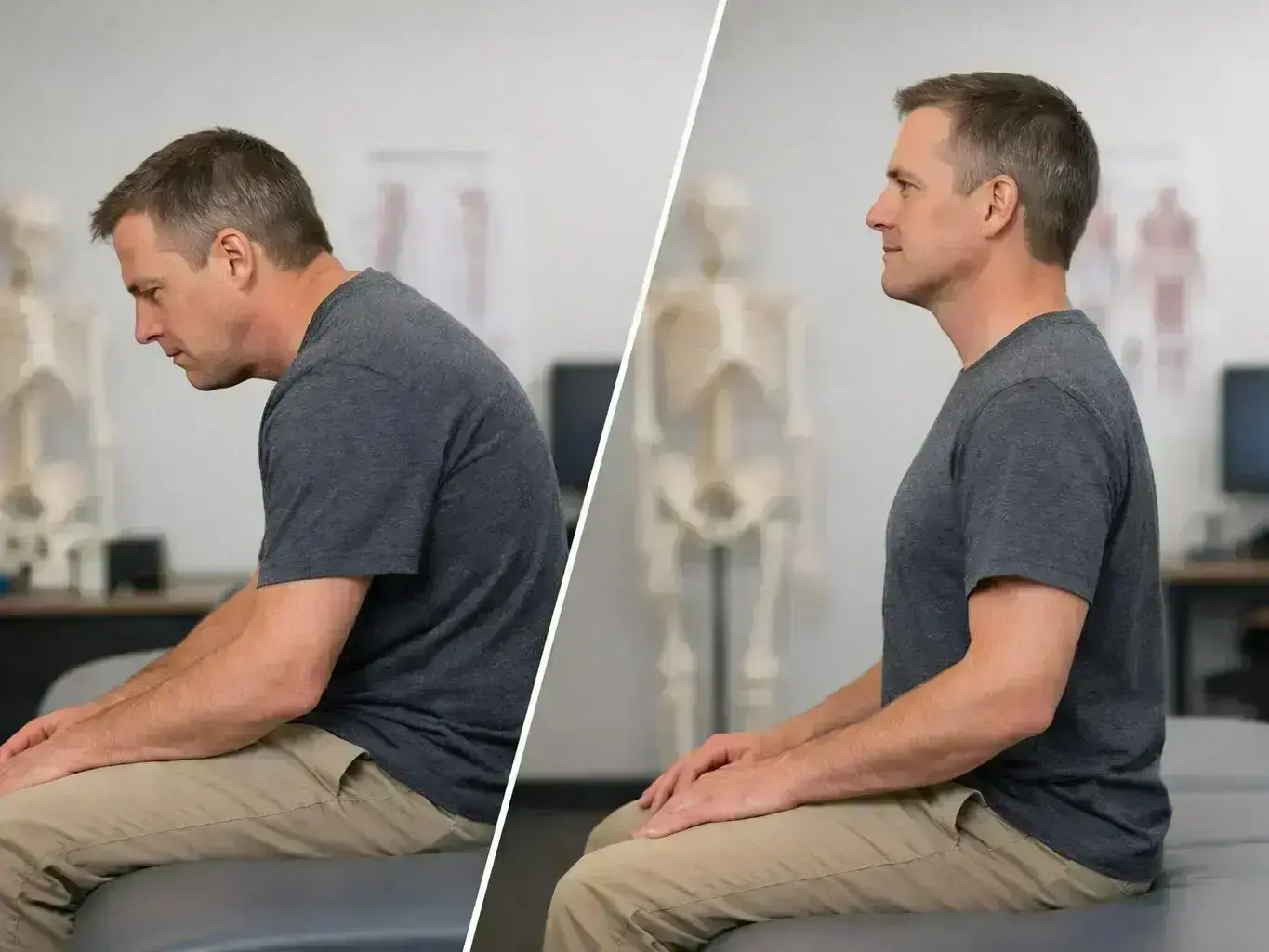
Understanding Chiropractic School

Chiropractic School refers to accredited institutions that educate students in the principles and practices of chiropractic care. These schools award the Doctor of Chiropractic (D.C.) degree, which is required to become a licensed chiropractor. The curriculum covers subjects like human anatomy, physiology, radiology. And spinal manipulation techniques. Unlike medical schools, chiropractic programs emphasize non-invasive, drug-free approaches to treating musculoskeletal conditions, particularly those related to the spine.
Admission to chiropractic school typically requires at least 90 credit hours of undergraduate coursework. Though many students enter with a bachelor’s degree. The program itself usually spans 3.5 to 4 years, combining classroom instruction with hands-on clinical training. Students learn to assess patients, diagnose spinal and joint issues. And perform adjustments to improve mobility and reduce pain. The goal is to prepare graduates to provide safe, effective care for conditions like back pain, neck pain. And headaches.
How Chiropractic School Works?
Chiropractic education follows a structured curriculum approved by accrediting bodies like the Council on Chiropractic Education (CCE). The first two years focus on foundational sciences, including anatomy, neurology. And pathology. Students also study chiropractic philosophy and techniques, such as spinal adjustments, soft tissue therapies. And rehabilitation exercises. Classroom learning is supplemented with lab work, where students practice techniques on mannequins and peers under supervision.
The final years shift to clinical training, where students work directly with patients in teaching clinics or community health settings. Under the guidance of licensed chiropractors, they perform examinations, develop treatment plans. And deliver hands-on care. This phase helps students gain confidence in diagnosing and treating real-world conditions. After completing the program, graduates must pass the National Board of Chiropractic Examiners (NBCE) exams to qualify for state licensure.
Why Chiropractic School Matters?

Chiropractic school ensures that practitioners meet high standards of education and competency before entering the field. Proper training reduces the risk of injury to patients and improves the effectiveness of chiropractic treatments. Patients rely on licensed chiropractors to address pain, improve mobility. And boost overall well-being without surgery or medication. Without accredited education, practitioners might lack the skills to diagnose conditions accurately or perform adjustments safely.
For students, chiropractic school offers a pathway to a rewarding career in healthcare. The demand for non-surgical, drug-free pain management continues to grow, making chiropractic care a valuable option for patients. Graduates can work in private practices, multi-disciplinary clinics. Or sports medicine settings, contributing to a broader healthcare system that emphasizes complete, patient-centered care.
When Chiropractic School Matters Most?
Chiropractic school becomes especially important for students considering a career in chiropractic care. Prospective students should research programs carefully, ensuring they're accredited by the CCE to qualify for licensure. For patients, understanding the rigor of chiropractic education can build trust in their provider’s expertise. Licensed chiropractors are trained to handle a wide range of conditions, from acute injuries to chronic pain, making their education critical for safe and effective treatment.
In Georgia, chiropractors must complete an accredited program and pass board exams to practice. That way that providers in Duluth and across the state meet consistent standards of care. Patients seeking chiropractic treatment should verify their provider’s credentials, including graduation from an accredited chiropractic school, to ensure they receive quality care.