Understanding Active Release Technique
Active Release Technique (ART) is a special hands-on treatment. A chiropractor named Dr. P. Michael Leahy made it in the 1980s. It helps with injuries that other treatments miss.
These injuries happen in soft tissues. Soft tissues are muscles, tendons. And ligaments. They also include fascia (thin tissue layers) and nerves. Too much use or injury can cause problems.
Problems form adhesions (scar tissue bands). These bands limit movement. They also cause pain, numbness. Or tingling. ART finds and breaks up these bands.
This helps your body work normally again.
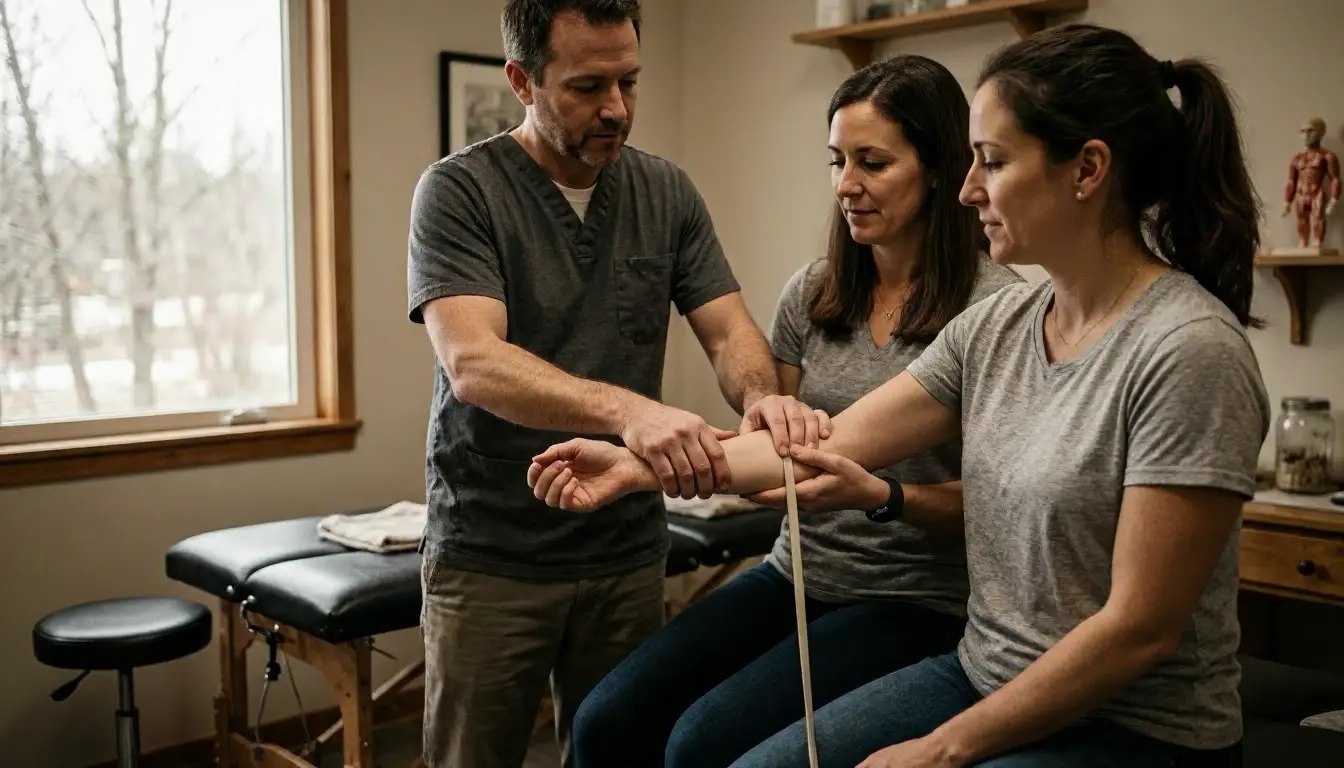
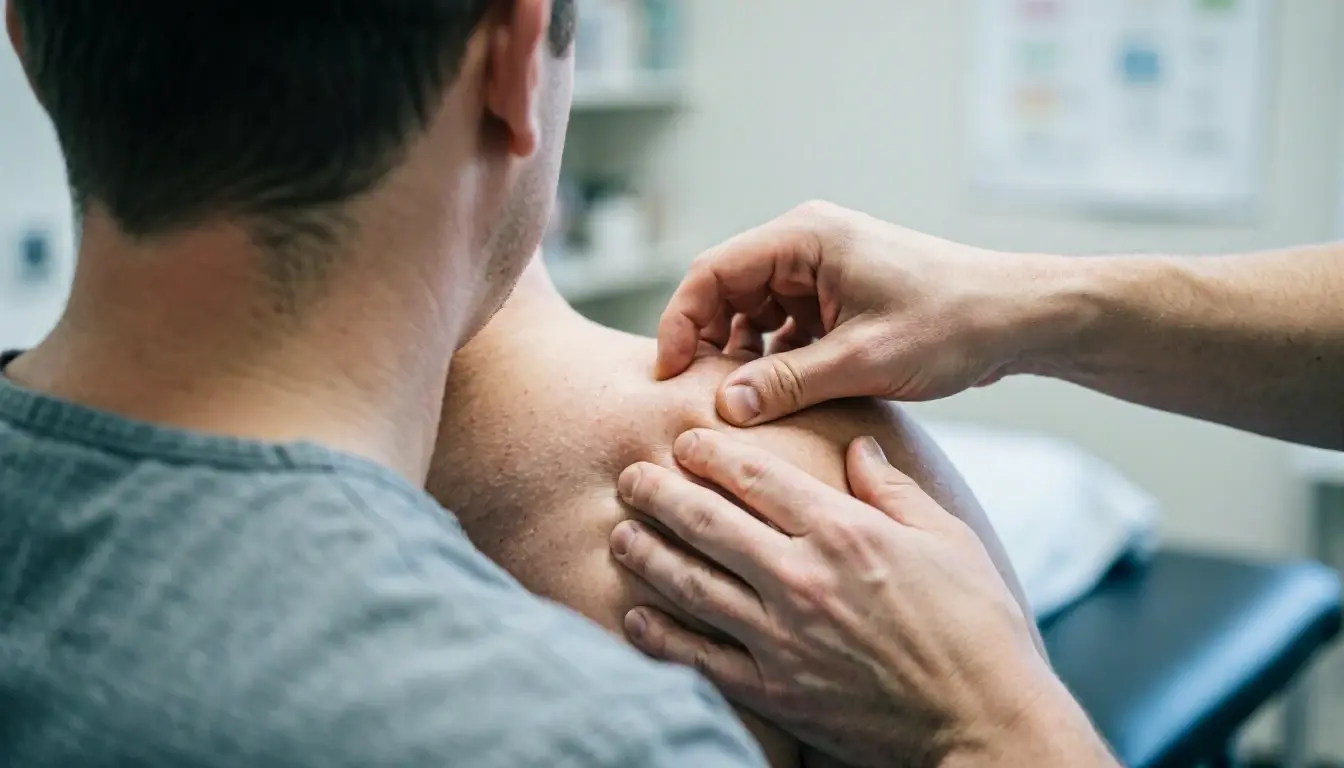
ART is not like regular massage or stretching. The patient must move during treatment. The provider pushes on the sore spot. At the same time, you move your muscle or joint.
This helps find the exact problem spot. The provider can then treat it well. ART works for sudden injuries. It also helps with long-term problems from repeating the same motions.
How Active Release Technique Works?
ART follows clear steps to find and fix problems. First, the provider checks how you move. They ask about your pain. This helps find the hurt tissue.
They look for stiff spots or sore areas. They feel for odd textures in muscles or tendons. Once they find the problem, they press on it firmly.
They use their hands to press on the adhesion. They tell you to move in a certain way. This movement stretches the scar tissue. It helps the tissue heal right.
The treatment can feel strong. It may burn or pull. This happens as the adhesion lets go. Each session works on one or two spots.
The provider repeats the push-and-move steps. They keep doing this until the tissue feels looser. ART works fast. You often need fewer visits than with other treatments.
But how many visits you need depends on your injury. Bad or long-term injuries may need more visits.
Providers must train hard to do ART safely. They take a certification program. This includes hands-on training and tests.
Only certified providers can use ART. This keeps care safe and high-quality. The training helps them know when ART works best. It also shows when other treatments might help more.
Why Active Release Technique Matters?
ART helps with pain others miss. Many people get soft-tissue injuries. These come from repeating motions, bad posture. Or sudden hurts.
These injuries don’t always show on X-rays. Without help, they cause long-term pain. They can also limit movement. ART treats these without surgery or drugs.
For athletes and workers, ART can mean less downtime. It helps with problems like carpal tunnel (wrist pain). It also helps plantar fasciitis (foot pain) and shoulder pain.
Sciatica (leg nerve pain) gets better too. ART lets tissues work normally again. This cuts pain and boosts performance. It also stops future injuries.
When Active Release Technique Matters Most?
ART helps most with ongoing pain or stiffness. It works for overuse injuries. These come from typing, running. Or lifting.
Rest or pills often don’t fix these. ART can help instead. It also works for sudden sprains or strains. Early help can stop long-term problems.
Athletes with sports injuries get help from ART. So do office workers with neck or wrist pain. Laborers with back or shoulder strain benefit too.
ART helps people who didn’t get relief elsewhere. It’s not for broken bones, open wounds. Or bad swelling. Some health problems also make ART unsafe.
A provider will check if ART is right for you. In Duluth, GA, many local providers offer ART. They help with work injuries, sports injuries. Or daily pain.
ART lets patients move better and hurt less. It’s part of many treatment plans in the area.