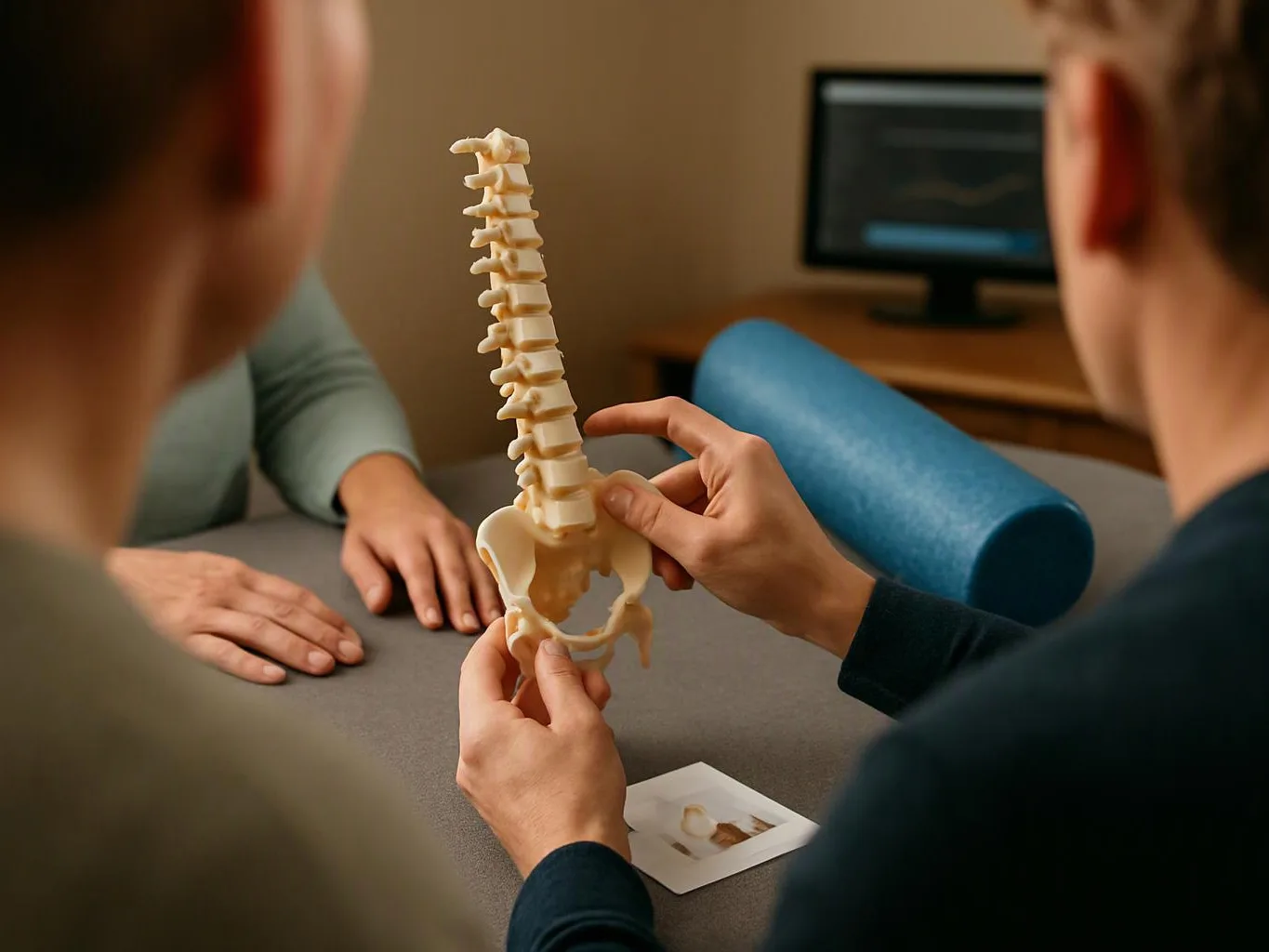
What types of chiropractic adjustments use hands or instruments?
Chiropractic adjustments can use hands, a handheld instrument, or a specialized table. The methods differ in how force and movement are applied. We consider your needs and preferences when discussing an approach; not every method is necessarily available.
| Method | How it works and may feel |
|---|---|
| Manual adjustment | Controlled force is applied by hand to a joint. You may feel pressure or movement. |
| Activator method | A handheld instrument delivers a controlled impulse. You may feel a brief tap. |
| Drop-table technique | A section of the table moves during the adjustment. You may notice the table's movement. |
| Flexion-distraction | A specialized table gently moves the spine. You may feel a gentle stretching motion. |
What happens during a chiropractic adjustment visit?
A chiropractic adjustment visit starts with a discussion of your health and symptoms. We explain the proposed approach and ask for your consent.
We review your health history and assess how you move. We'll discuss treatment positioning and what you might feel during joint movement. You can ask questions or tell us if anything feels uncomfortable.
When adjustment choices and prenatal care overlap
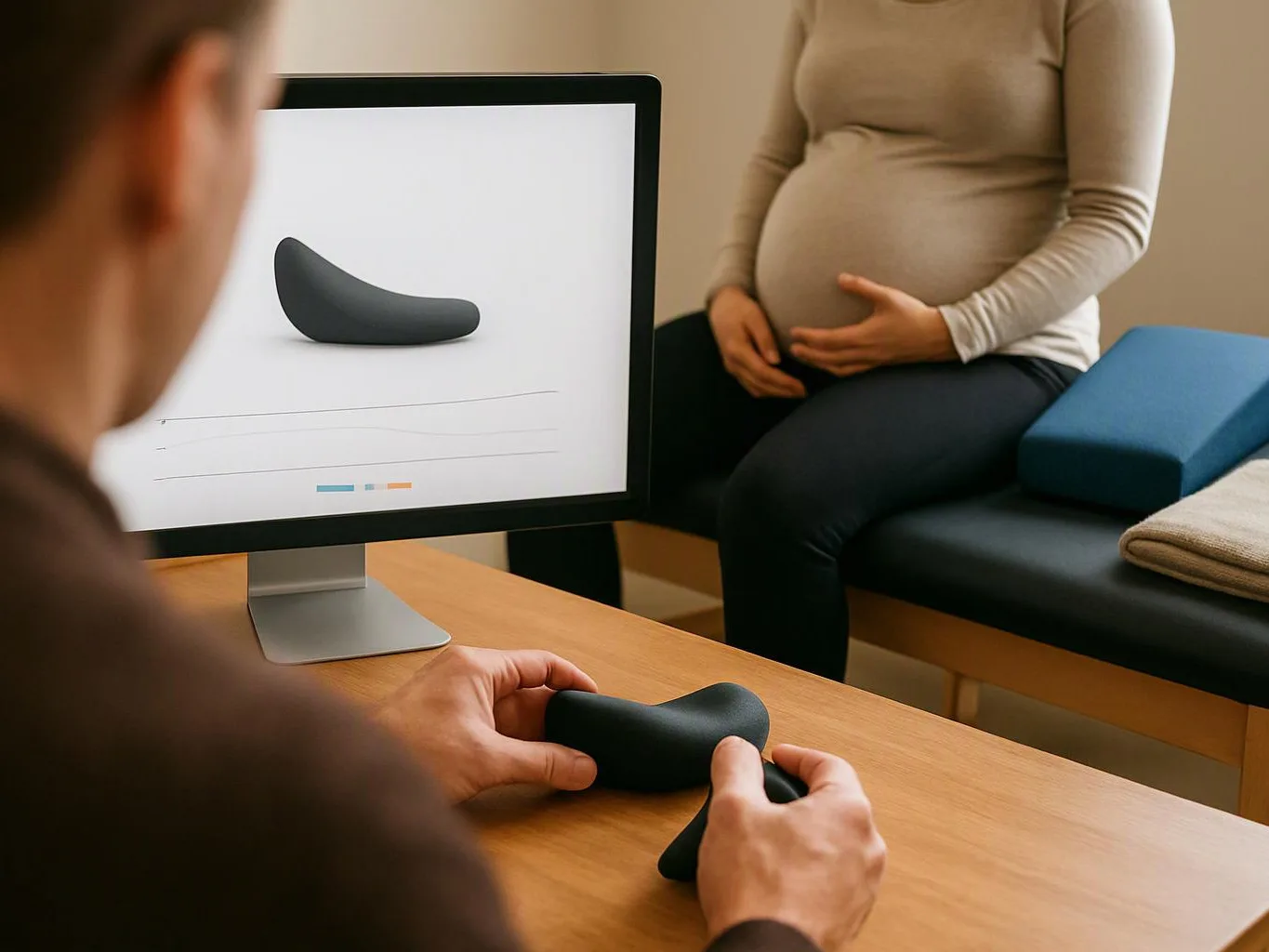
Adjustment choices and prenatal care overlap when pregnancy or another health concern affects your needs. We assess your situation before recommending an approach.
- Pregnancy changes make your usual position uncomfortable.
- You want to discuss adjustment options during pregnancy.
- Pregnancy-related symptoms need an assessment before care.
- An existing health concern may affect your choice of technique.
Pregnancy positioning and safety
Pregnancy positioning aims to keep you comfortable and avoid pressure on your abdomen. We discuss your pregnancy and health history before considering a position or adjustment.

Some medical concerns need assessment by another clinician before chiropractic care. We'll discuss any concerns you share as we plan Prenatal Chiropractic Care.
How adjustments fit into prenatal chiropractic care
Adjustments are considered as part of prenatal chiropractic care based on your needs. We discuss the proposed care with you before proceeding.
- We discuss your symptoms and health history before considering an adjustment.
- We select positioning and techniques around your needs.
- We explain the proposed care and welcome questions before asking for your consent.
- Visit needs and the scope of care can affect cost. Ask us for a quote and what it includes.
Adjustment safety and when to seek medical care
Adjustment safety starts with a discussion of your health conditions and medications. We use that information when considering care, so tell us about any concerns.
Temporary soreness can occur after an adjustment. Tell us about new or worsening symptoms. Seek urgent medical care for sudden weakness, trouble speaking, or a severe unusual headache.
Common questions about chiropractic adjustments
Does a chiropractic adjustment have to crack or pop?
No, a chiropractic adjustment doesn't have to make a cracking or popping sound. At Arrowhead Clinic - Duluth, we can discuss quieter approaches and whether they suit your needs.
Can you ask for an adjustment without twisting?
Yes, you can ask about adjustment options that don't involve twisting. We'll discuss your preferences and whether an approach suits your needs.
What should you tell us before a chiropractic adjustment?
Before a chiropractic adjustment, tell us about your symptoms, pregnancy, and relevant health conditions. Share your medications and any concerns about movement or positioning.
Contact Arrowhead Clinic - Duluth to discuss your adjustment options. We'll answer your questions and explain what a quote includes.
Request a QuoteWhat Are the Key Specifications to Know?
- Topic Focus
- Types of Chiropractic Adjustments: What to Expect
- Related Core Service
- Prenatal Chiropractic Care